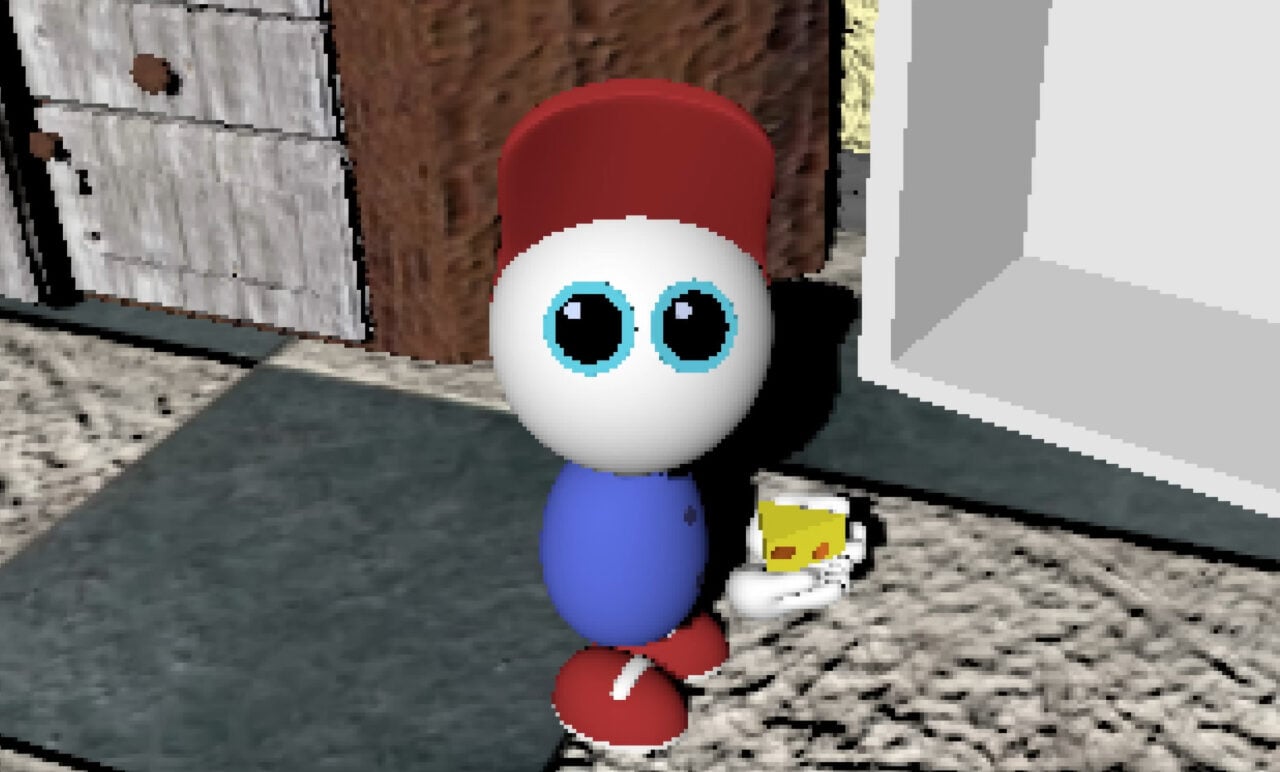
Endacopia occupies a peculiar space in indie horror. The game blends the pastoral innocence of edutainment classics like Putt-Putt Saves the Zoo with genuine dread, creating something that feels both nostalgic and deeply unsettling.
The title plays on our collective memory of educational adventure games from the 1990s and early 2000s. Those titles shaped childhoods. They were safe, colorful, designed to teach through play. Endacopia subverts that formula entirely. It takes the aesthetic framework of edutainment and fills it with wrongness, transforming familiar design patterns into sources of unease.
This approach works because it exploits a specific gap in gaming nostalgia. Most horror games don't bother with the edutainment angle. They draw from survival horror, psychological terror, or found-footage traditions. Endacopia instead weaponizes the gap between what we expect from cute, educational games and what the developer actually delivers. The disconnect creates tension before anything explicitly scary happens.
The developer's choice to position this as existing in the space "between nightmare and Putt-Putt Saves the Zoo" signals intentional design. This isn't accidental creepiness. It's calculated tonal manipulation. Players approaching it expecting quirky indie charm encounter something far stranger.
The indie horror space has room for this kind of experimentation. Major publishers rarely take risks on uncomfortable genre hybrids. Indie developers like those behind Endacopia push into untested territory, discovering that familiarity with beloved childhood media can amplify horror when twisted properly. The game joins titles like Petscop and others that harvest unease from unexpected sources.
Endacopia's existence reflects current indie trends. Horror developers increasingly target specific cultural touchstones rather than broad fear mechanics. By anchoring itself to edut