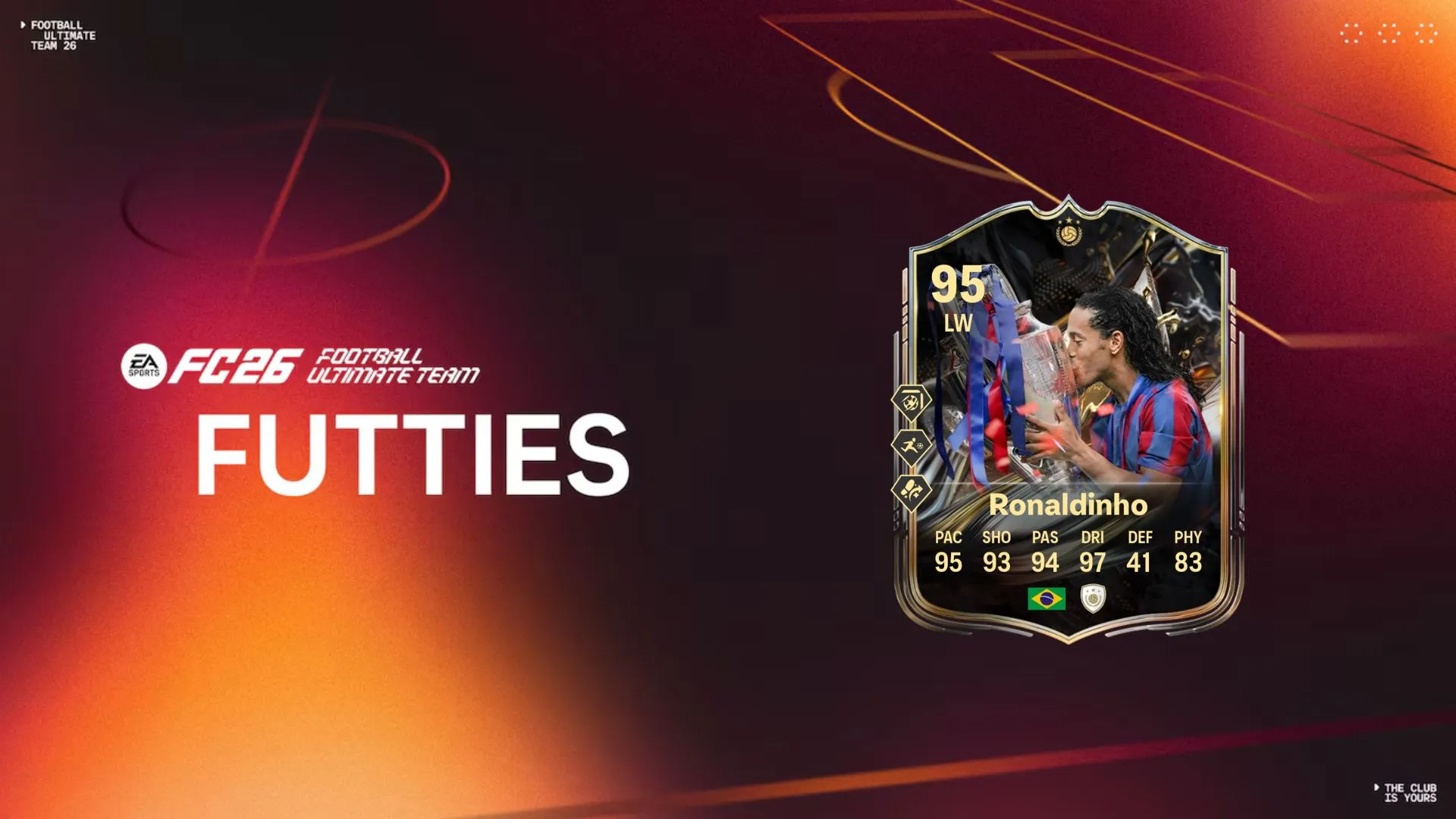
EA Sports' FC 26 continues its FUTTIES event with Blueprint 1 Evolution content, offering players fresh squad-building options tied to the annual card upgrade system. FUTTIES represents the franchise's end-of-season celebration, where special player cards receive stat boosts and new abilities based on community voting and performance.
The Blueprint 1 Evolution cards introduce a new tier of progression within FC 26's Ultimate Team mode. These cards allow players to invest resources into specific athletes, gradually improving their attributes across multiple weeks. This system encourages long-term squad planning rather than immediate purchases, creating extended engagement through the card ecosystem.
Evolution cards have become central to FC 26's live service model. Unlike standard variants that release fully upgraded, Evolutions demand player investment through squad challenges and resource expenditure. This approach extends the lifecycle of individual cards and maintains pressure on the game's resource economy, where coins and draft tokens drive transaction value.
The timing matters. FUTTIES arrives when most players have stabilized their squads for the season cycle. New meta players entering the pool through Blueprint 1 Evolution disrupt established team compositions, forcing roster adjustments. Players who invested heavily in specific card types earlier in the season face potential obsolescence, driving fresh spending on pack openings.
FC 26's perpetual content stream maintains engagement metrics that justify the $70 entry fee and ongoing microtransaction support. Each FUTTIES rotation introduces decision points. Players must evaluate whether Evolution cards justify the grind or whether existing squad members remain sufficient. This friction keeps the community engaged with spreadsheets, YouTube guides, and social discussion.
The Blueprint system also benefits casuals and budget players. Unlike older FIFA versions where elite cards required thousands of dollars, Evolutions distribute power more evenly. Free-to-play accounts can compete if they commit time instead of money, broadening the addressable audience without cannibalizing