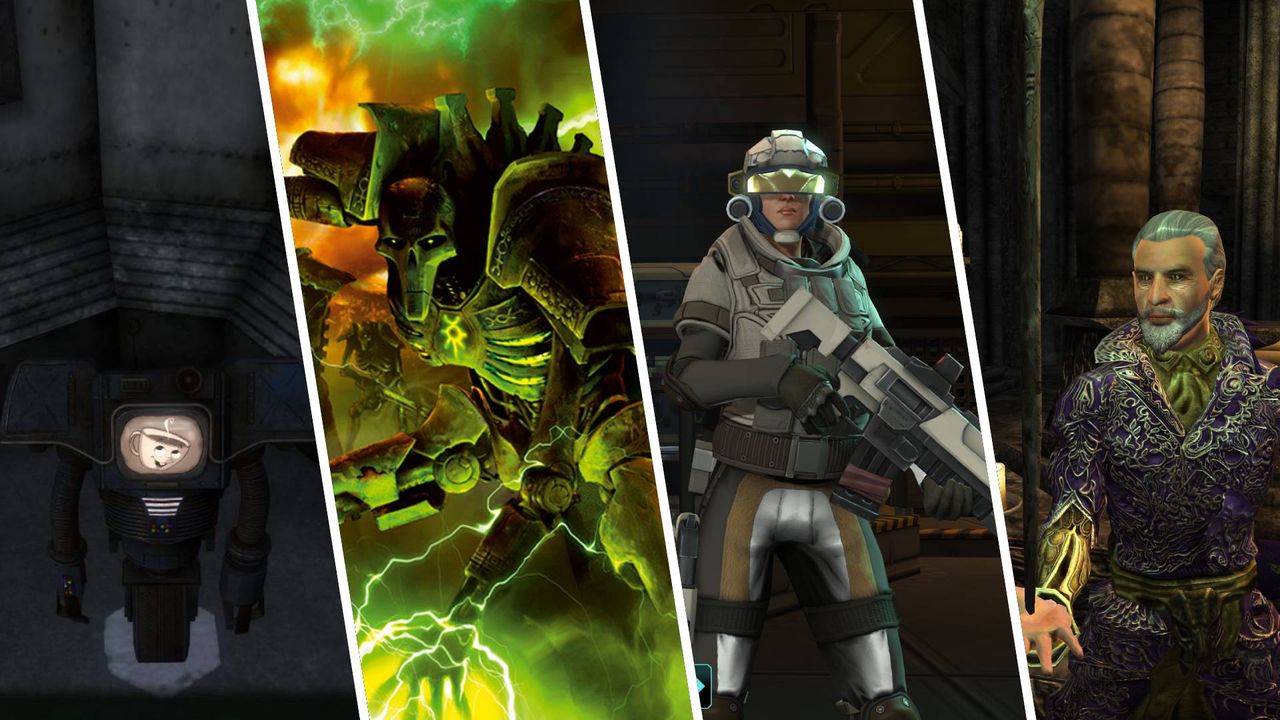
PC Gamer's ranking of 10 expansions that outshined their base games challenges a common industry assumption. The piece highlights how post-launch content can transcend the original title's quality through refined mechanics, expanded narrative scope, and lessons learned from player feedback.
Expansions occupy a unique position in game development. Studios launch base games under publisher deadlines and market pressures, then use expansion cycles to implement features they couldn't finish in time. The Witcher 3: Blood and Wine exemplifies this pattern. CD Projekt Red's final expansion delivered a complete story arc with a new region, sophisticated quests, and character work that many players consider superior to the main campaign. Similarly, FromSoftware's Shadow of the Erdtree transformed Elden Ring's DLC into a standalone masterpiece, introducing Miquella's Needle questline and boss encounters that define the series' current difficulty ceiling.
The economics of expansions create different incentives than base game development. Publishers expect existing players to purchase additional content, so studios can take creative risks without appeasing the broadest audience. Bungie's The Taken King revitalized Destiny's reputation after a troubled launch, introducing cinematic storytelling and meaningful endgame systems. Obsidian Entertainment's Fallout: New Vegas's Old World Blues proved that licensed properties could thrive when developers had creative control and sufficient development time.
Not every expansion achieves this. The Sims 4 has released numerous packs that feel incremental rather than transformative. StarCraft II's Legacy of the Void delivered content but launched alongside heavy balance patches that divided the competitive community.
The pattern holds across genres. Dragon Age: Inquisition's Trespasser epilogue provided narrative closure the base game lacked. Monster Hunter World's Iceborne didn't just add content; it fundamentally restructured the