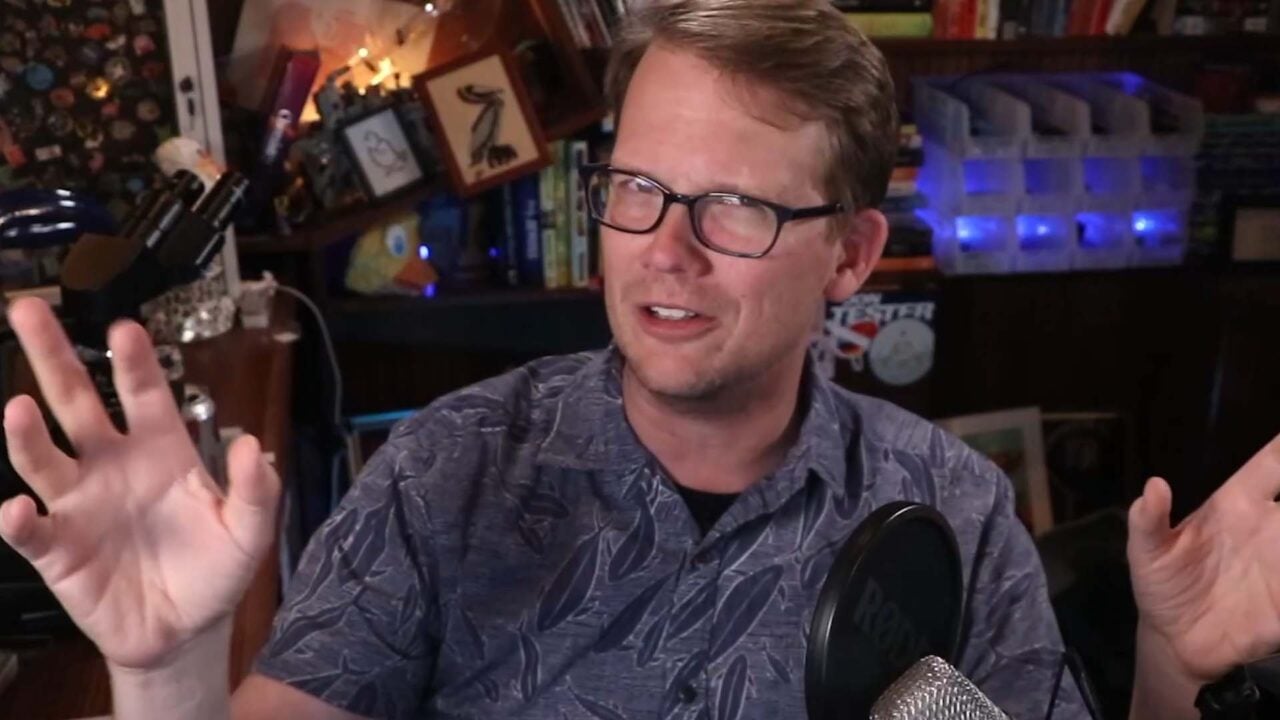
Hank Green, the prominent science communicator and brother of author John Green, publicly acknowledged an unhealthy dependency on large language models following community backlash over his recent video content. Green stated that "the level of dopamine I've been getting from interacting with LLMs is not healthy for me," signaling a shift in how he engages with AI tools.
The admission comes after Green faced criticism for content perceived as overly reliant on AI-generated material or AI assistance. His transparency reflects growing tensions within creator communities about balancing AI productivity tools with authentic, personally-crafted work. Viewers increasingly scrutinize whether high-profile creators maintain the hands-on approach their audiences expect.
Green's candor addresses a broader issue plaguing content creators across YouTube, podcasting, and gaming spaces. The dopamine feedback loop from AI interaction mirrors documented concerns about social media engagement mechanics. Creators risk alienating audiences by leaning too heavily on generative tools, yet face productivity pressures that make AI integration tempting.
The Vlogbrothers creator's willingness to publicly confront his relationship with AI distinguishes his response from typical creator defensiveness. Rather than dismissing criticism, Green engaged with legitimate concerns about authenticity and dependency. This approach carries weight given his influence among younger audiences who value transparency.
The incident underscores how rapidly AI integration has shifted from fringe curiosity to mainstream creator workflow. Unlike previous tech adoption cycles, AI's ease of use creates psychological hooks that affect both creators and consumers. Platforms and creators alike struggle to establish ethical boundaries around generative tools.
Green's admission doesn't necessarily mean abandoning AI entirely but rather recalibrating its role in his creative process. His audience largely values his distinctive voice and perspective, elements that require personal investment and intentional thinking. The backlash essentially enforced what audiences have always demanded: authentic work from creators they follow.