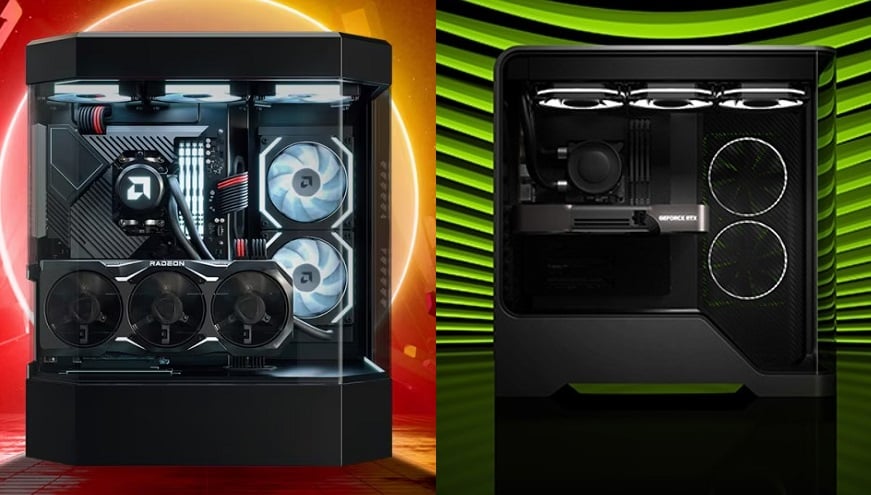
Nvidia and AMD plan to raise graphics card prices across their lineups, according to recent reports. The price increases will affect both budget and high-end models, continuing a trend that has already made PC gaming hardware prohibitively expensive for many players.
Budget cards, traditionally the entry point for PC gaming, face particular pressure. Models that once cost $150 to $250 are climbing higher, pricing out casual players and those building budget systems. Mid-range cards will also see increases, though exact figures remain unconfirmed.
The timing compounds existing frustrations. GPU prices have remained elevated since the crypto mining boom and pandemic-driven shortages of 2021-2022. While the market stabilized somewhat in 2023, another round of increases threatens to reignite affordability concerns. Neither manufacturer has officially announced price hikes, but supply chain reports and retailer intel suggest changes are coming soon.
AMD's RDNA 3 lineup and Nvidia's RTX 40-series cards dominate the current market. Both companies face pressure from manufacturing costs, but industry analysts question whether price increases reflect genuine supply constraints or margin optimization ahead of next-generation launches. The RTX 50-series and AMD's next RDNA iteration remain months away, leaving current inventory as the primary revenue opportunity.
This creates a catch-22 for PC gamers. Waiting for next-gen cards means potentially higher launch prices. Buying now means overpaying for aging silicon. Console gaming suddenly looks more attractive by comparison, a reality that could shift long-term market dynamics if GPU prices climb beyond reasonable thresholds.
The moves also impact system builders and OEM partners who rely on stable component pricing. Pre-built PC costs will likely increase, further pressuring the enthusiast market during an already challenging economic period for discretionary tech spending.