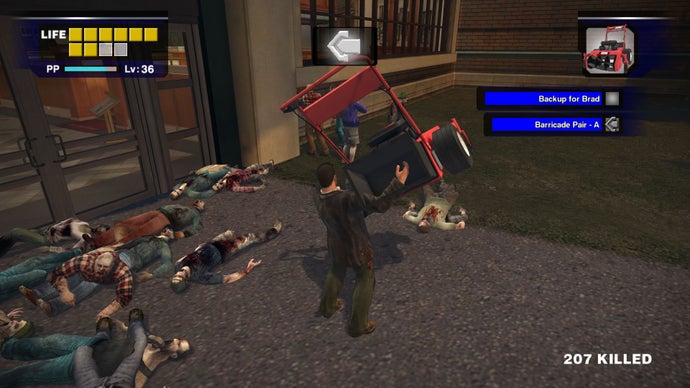
Capcom's Dead Rising arrived two decades ago with a radical open-world structure that most modern games have abandoned. The 2006 zombie action title didn't mandate player progression through story missions or quests. Instead, it operated on a strict 72-hour time limit. Frank West, the photojournalist protagonist, could ignore the narrative entirely, spend all three days in a security room, and still reach the ending when the helicopter arrives as scheduled.
This design philosophy stands apart from contemporary open worlds, which typically funnel players through quest markers and objective chains. Dead Rising trusted players to create their own goals within its constraints. Want to photograph zombies for film critiques? Go ahead. Spend hours crafting weapons? The game allows it. Skip the main story? Dead Rising doesn't punish you for it.
The time limit created genuine stakes that most open-world games lack today. Players couldn't infinitely explore or meticulously optimize. They had to make meaningful decisions about how to spend their limited hours. Do you pursue story objectives, side missions, or personal diversions? Each choice cost time that wouldn't come back.
Dead Rising's approach influenced some titles, but the industry largely moved toward the bloated open-world formula perfected by GTA and adopted by countless studios. Modern games prioritize player freedom and endless content over structured, time-based experiences. The result feels repetitive. Ubisoft's "climb towers to unlock map areas" formula has calcified into industry standard.
The original Dead Rising also embraced consequence. Your choices shaped which ending you received. Miss a mission window, and it stayed missed. Die, and you started over with limited carries. This created real pressure and replayability value that stemmed from gameplay design rather than artificial collectibles.
Twenty years later, Dead Rising's sandbox philosophy feels genuinely fresh. The game respected player agency while maintaining structure through its ticking