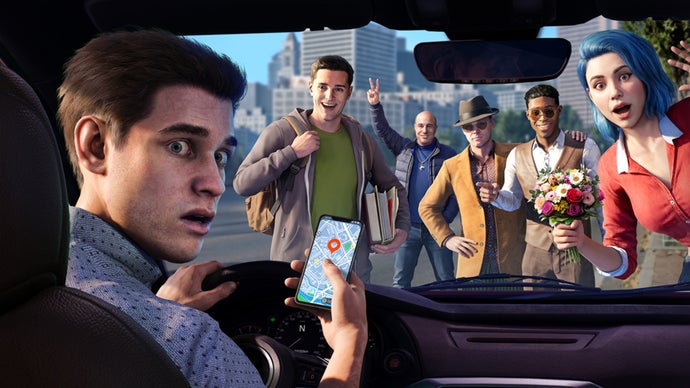
Saber Interactive, the studio behind Warhammer 40,000: Space Marine 2, is publishing Rideshare "Stimulator," a new simulation game centered on driving for Uber in a city populated by eccentric characters. The title, complete with quotation marks as part of its branding, positions itself as a comedic take on the gig economy.
The game tasks players with navigating the rideshare experience, picking up and dropping off a cast of unusual passengers. Success hinges on how well the developer executes its satirical premise. Rideshare economy sims occupy a niche space in gaming, where tone becomes everything. If the writing, character design, and situational humor land, the concept can anchor an entertaining experience. If they miss, the novelty wears thin fast.
Saber Interactive's publishing move signals their willingness to diversify beyond action-heavy franchises. The studio has built credibility on delivering polished AAA experiences, but publishing quirky indie-adjacent projects suggests they're banking on comedy and character work resonating with players tired of standard simulation fare.
The rideshare driver premise itself offers satirical potential. The gap between passenger expectations and driver reality, algorithmic wage pressure, rating systems, and the strange intimacy of car rides create natural comedy fodder. Games like Crazy Taxi and Tycoon simulators proved players engage with service-economy premises when the execution prioritizes humor and personality over grinding mechanics.
Whether Rideshare "Stimulator" lands depends on its commitment to satire over surface-level weirdness. A genuinely funny take on gig work dynamics could resonate, especially among players fatigued by earnest corporate simulation games. Conversely, quirky characters without sharp writing won't sustain engagement across a full campaign.
Saber Interactive's track record suggests competent execution on