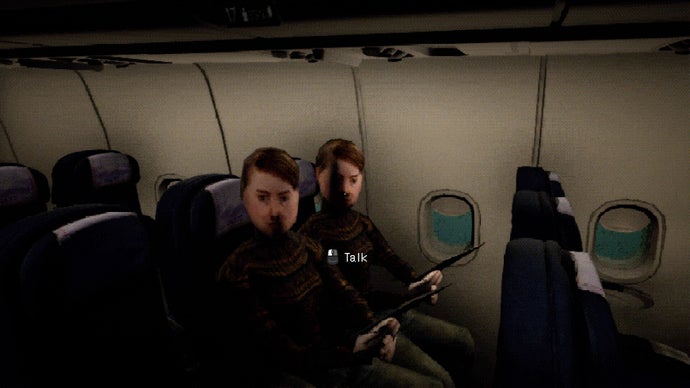
Night Plane dumps players into the cabin of a 1999 passenger jet as a flight attendant tasked with serving refreshments while spotting supernatural threats. The indie horror job sim embraces PSX-era aesthetics, leaning into low-poly visuals and chunky character models that echo Silent Hill and Resident Evil's early installments.
The game arrives amid a surge of horror-themed job simulators hitting PC and console markets. Hellmart and Shift At Midnight established the subgenre's foundation in 2025, blending mundane workplace tasks with creeping dread. Night Plane pivots the formula toward aviation, forcing players to balance passenger satisfaction against identifying demonic entities disguised as ordinary travelers.
Mechanical tension emerges from the contradiction at Night Plane's core. Players must maintain professional composure, refilling beverages and addressing requests, while simultaneously monitoring cabin windows and passenger behavior for signs of supernatural activity. The 1999 setting anchors the experience in pre-9/11 aviation culture, removing modern security theater and emphasizing the isolation of high-altitude confinement.
The PSX-style presentation serves a purpose beyond nostalgia. Pixelated graphics and limited draw distance obscure threats at cabin edges, creating genuine discomfort in spaces designed for comfort. The low-fidelity aesthetic makes ambiguity a gameplay tool. Players question whether a passenger's behavior signals possession or merely eccentricity.
Night Plane emerges from an indie studio pattern of genre cross-pollination. Horror developers mine service industry mechanics for tension sources that mainstream AAA titles ignore. The formula works because players recognize the environments and tasks as mundane, making intrusions feel violating rather than theatrical.
This positions Night Plane as a refinement rather than revolution within the horror job sim space. The aviation setting provides geographical constraints that tighter-than-normal level