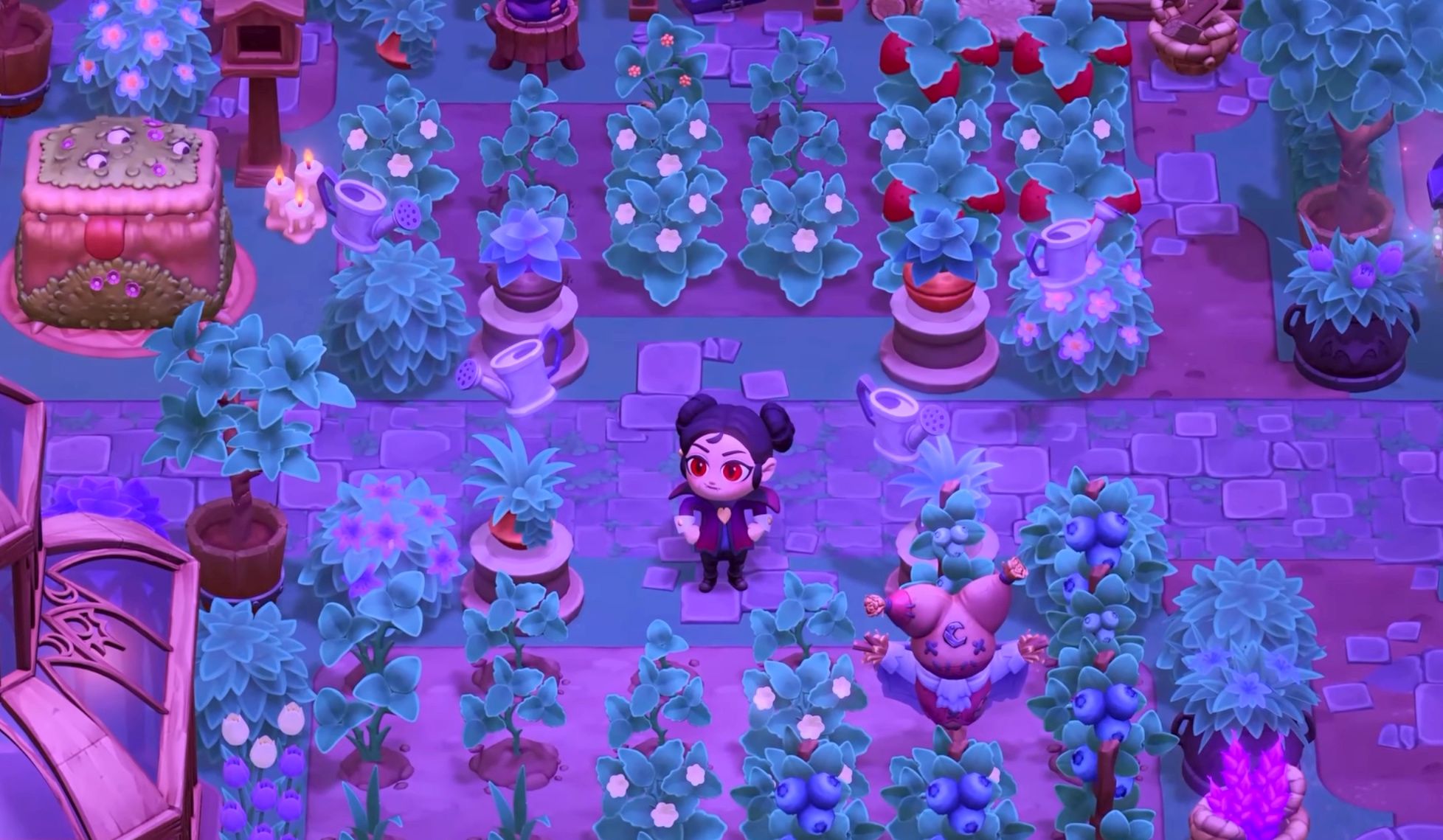
Stardew Valley's decade-long stranglehold on the cozy farming game genre is loosening. After years of indie developers chasing Eric Barone's formula, the market shows signs of evolution and genuine diversification.
The cozy game boom exploded following Stardew Valley's 2016 launch. Countless titles mimicked its core loop: farming, fishing, foraging, romance options, and pixel art aesthetics. Games like Sun Haven, Kynseed, and dozens of mobile entries followed the blueprint religiously. Publishers noticed the formula worked, and investors funded wave after wave of copycat projects.
But player fatigue is real. The market became oversaturated with games that felt interchangeable. Romance subplots followed identical beats. Farm mechanics played out identically across titles. Developers realized they needed differentiation to stand out in an increasingly crowded space.
Now the genre is splinting. Some creators lean into darker narratives within cozy aesthetics, blending psychological tension with relaxing mechanics. Others abandon farming entirely and explore different slow-paced activities: beekeeping sims, café management games, library organization tools. A few bold projects question what "cozy" even means, rejecting the assumption that relaxation requires pixel art and pastoral settings.
This shift reflects player evolution too. Audiences want depth beneath the surface, fresh mechanics that offer genuine discovery, and narratives that take emotional risks. Stardew Valley succeeded partly because it arrived first and offered surprising narrative weight alongside its relaxing systems. Followers often copied the surface while missing the substance.
The genre didn't die. It matured. Developers now recognize that cozy gaming doesn't require algorithmic Stardew Valley replication. Innovation within the slow-paced space attracts attention and builds devoted communities. A beekeeping management game with real ecological depth or a narrative-driven cooking