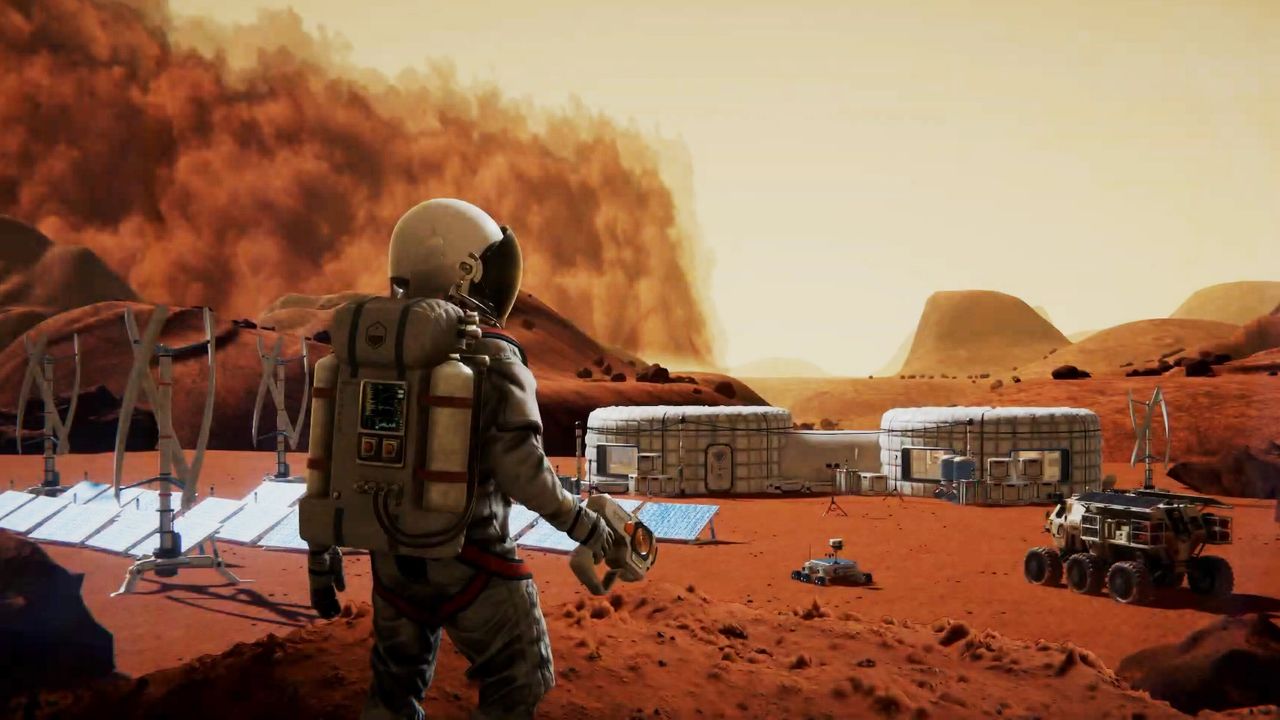
Sol One launches this week on Steam with a premise lifted straight from Ridley Scott's The Martian. Players land on Mars after a crash, stranded with limited supplies, and must cultivate potatoes to stay alive long enough for rescue. The survival mechanics pit you against the hostile Martian environment, resource scarcity, and time itself.
The game borrows heavily from the film's core tension. You're not fighting aliens or exploring vast landscapes. Instead, you manage oxygen, water, and soil nutrients while tending crops in habitats and greenhouses. Every decision around resource allocation matters. Grow too many potatoes and waste precious water. Grow too few and starve before rescue arrives.
Sol One targets the same audience that made The Martian such a commercial success. That 2015 film resonated because it portrayed survival as a problem-solving exercise rather than action spectacle. Matt Damon's character used science and ingenuity to outlast Mars. Sol One applies that philosophy to gameplay, emphasizing strategy over combat.
The Steam release taps into steady demand for survival games with educational or scientific angles. Titles like Oxygen Not Included and Kerbal Space Program proved players engage deeply with systems-based survival where understanding mechanics beats reflexes. Sol One follows that formula by forcing you to understand Martian agriculture, atmospheric conditions, and equipment maintenance.
Survival game fans should note the distinction here. This isn't base-building in the vein of Valheim or Grounded. Sol One narrows its scope to farming and life support. That focus either becomes a compelling puzzle box or a repetitive grind depending on execution. Reviews will determine whether the potato-farming loop sustains interest across the runtime.
The timing benefits Sol One. Mars remains culturally relevant. NASA's Artemis program pushes human space travel back into headlines. SpaceX development captures mainstream