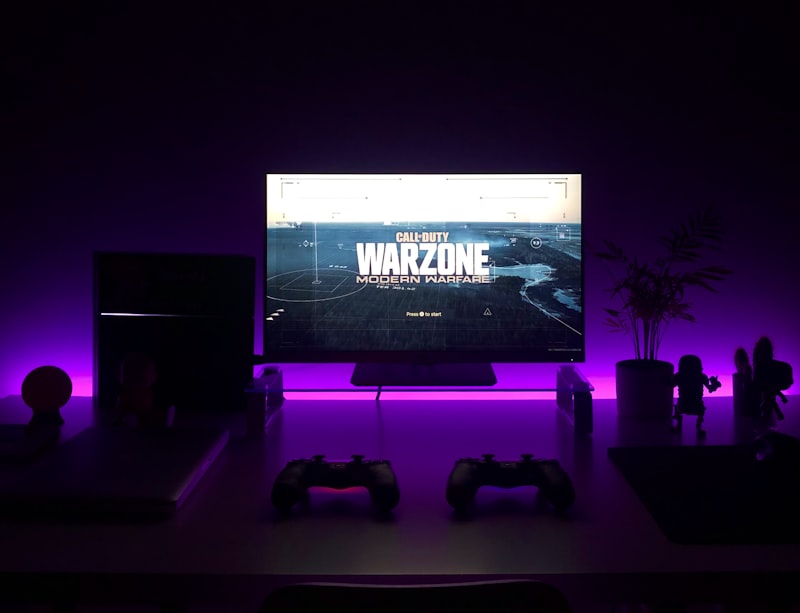
Here's the unpopular take that will get me roasted in the comments: the PC gaming hardware industry should pump the brakes on the annual arms race and embrace longer development cycles. Yes, really.
We live in a moment of genuine technological confusion. GPUs are more powerful than ever. CPUs have more cores than most indie studios have employees. Yet players increasingly don't care about specs. Shigeru Miyamoto pointed this out recently, and he's not wrong. Meanwhile, the infrastructure around emulation is advancing so rapidly that a decade-old console can now run its own backwards-compatible games through nested emulation layers. The irony is almost too perfect.
The real problem isn't innovation. It's the velocity of obsolescence.
Consider what's actually happening in the PC hardware space right now. Manufacturers release a flagship GPU. Twelve months later, the successor arrives. That cycle repeats every year, sometimes twice. This creates a perpetual state of anxiety among consumers: buy now and feel outdated in months, or wait and miss out on current-gen experiences. Neither option is particularly healthy.
Meanwhile, game development hasn't kept pace with this hardware acceleration. A studio that targets hardware from two or three years ago can still create technically stunning experiences. The gap between what's necessary and what's available has become absurd. We're not unlocking new possibilities as much as we're creating prettier versions of the same games.
There's a real argument for deliberate restraint here. What if GPU manufacturers committed to longer product cycles, say every eighteen to twenty-four months instead of annual refreshes? What if they focused on architectural refinement rather than raw speed increases? The market would stabilize. Developers could build toward known hardware targets. Consumers could feel confident in their purchasing decisions for longer periods.
Yes, there's a business case for constant iteration. Quarterly earnings call pressures are real. But the current model is showing cracks. The secondary market for high-end GPUs has become a speculative nightmare. The environmental cost of constant upgrades is significant and getting harder to ignore. The psychological toll on players who feel they're falling behind is worth examining too.
Look at what's happening with emulation right now. The fact that PS5 emulators are advancing at breakneck speed while native games struggle to justify hardware requirements is telling us something important: the gap between current and previous generations is narrower than ever. That's partly because the gap between current hardware and the next-gen hardware will also be narrow. We're in a weird zone where meaningful jumps are becoming rarer, but we're still pretending they happen annually.
The counterargument writes itself. "But innovation," people will say. "Competition drives progress." Fair points, both. But there's a difference between innovation and churn. We can have legitimate technological advancement without making perfectly functional hardware feel obsolete in eighteen months.
The PC gaming community has spent two decades chasing specs. It's made the hobby exciting and technically impressive. But it's also made it unnecessarily expensive and anxiety-inducing. A different approach wouldn't mean stagnation. It would mean developers could plan further ahead. Players could invest in hardware with confidence. Manufacturers could focus on efficiency and reliability rather than just raw performance.
Maybe the real unpopular take isn't that we should slow down. It's that slowing down would actually make gaming better.