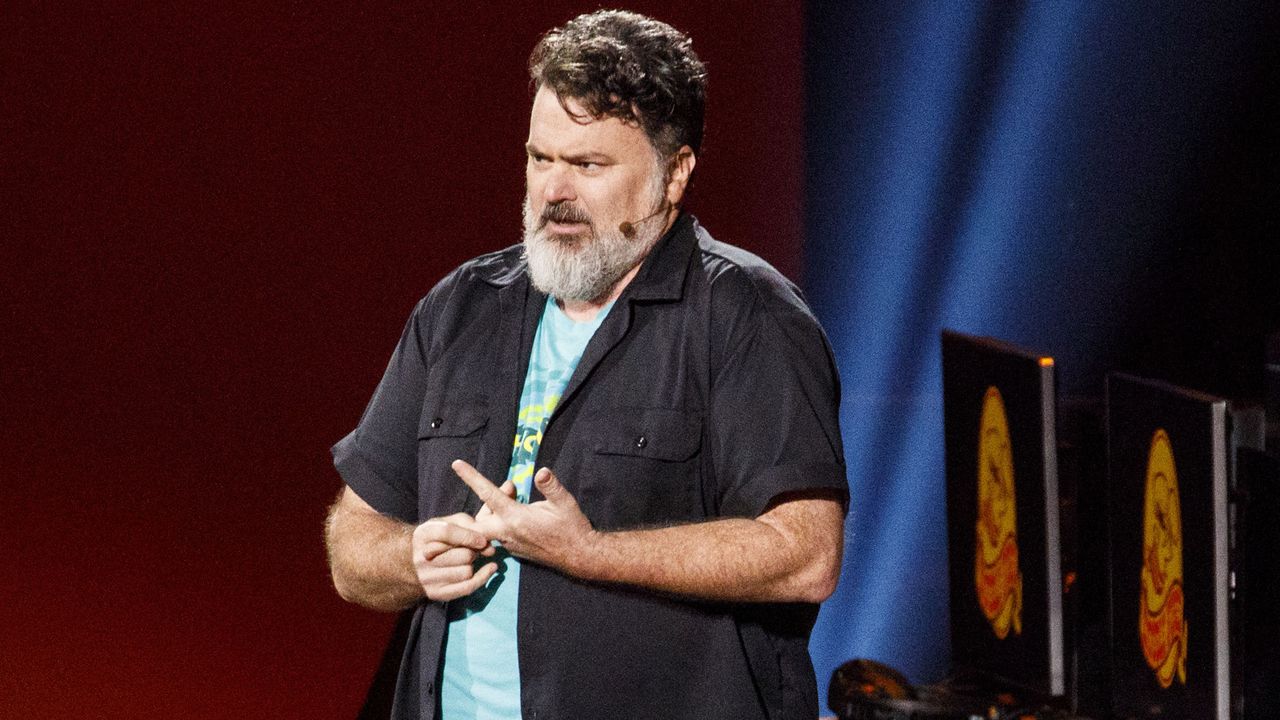
Double Fine Productions laid off 23 employees this week, three weeks after Microsoft ended its publishing partnership with the studio. Studio head Tim Schafer announced the cuts in a statement, framing them as a last-resort measure to keep Double Fine operational.
"Only the survival of our studio would make us consider such a painful action," Schafer said. The layoffs represent a significant hit to the independent developer, which has operated under various publisher arrangements for years. Microsoft's sudden exit from console publishing in late October caught Double Fine mid-project and left the studio scrambling to secure funding.
Double Fine, known for narrative-driven titles like Psychonauts 2, Broken Age, and Full Throttle Remastered, built its reputation on creative, character-focused games. The studio has cycled through multiple publishing deals. Its loss of Microsoft's backing removes a stable revenue stream that had sheltered the team through development cycles.
The timing compounds Double Fine's precarious position. The studio faces the challenge of pivoting to self-publishing or securing new partnerships while absorbing the cost of workforce reduction. Game industry layoffs have accelerated throughout 2024, with hundreds of positions cut across major publishers and independent studios alike.
Schafer's language suggests the studio weighed bankruptcy against layoffs. Double Fine has roughly 60 employees remaining after the cuts. The studio continues development on existing projects, though the reduced headcount will inevitably impact production timelines and scope.
This move reflects broader instability in gaming's economic model. Publisher consolidation, shifting platform strategies, and changing consumer spending patterns have destabilized funding for mid-sized studios. Double Fine occupied a vulnerable middle ground. Too small to weather major funding shifts alone, too creatively ambitious for rapid revenue generation, the studio now faces rebuilding relationships with potential partners or finding alternative revenue streams through indie publishing deals or external investment.