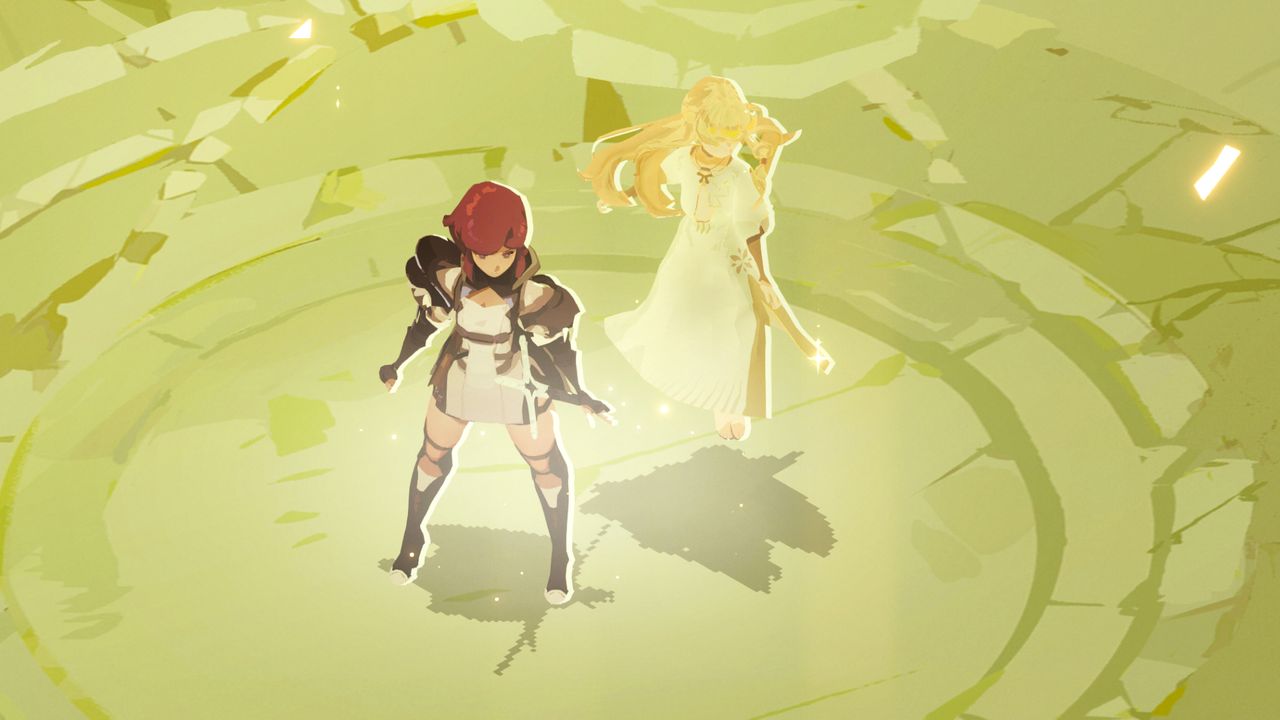
Lunarium launches into a crowded Steam marketplace armed with distinctive visual design and punishing combat mechanics that recall FromSoftware's Sekiro: Shadows Die Twice. The action RPG pairs two female protagonists trained in demanding, parry-heavy swordplay against a backdrop that borrows heavily from Yoko Taro's atmospheric storytelling sensibilities.
The game channels Nier's existential tone and melancholic world-building while grafting soulslike combat onto its skeleton. That combat demands precision. Players must master parry timing and dodge positioning rather than relying on tank-and-spank strategies. The Sekiro comparison runs deep, suggesting Lunarium doesn't simply copy the formula but earnestly engages with the same design philosophy around risk-reward mechanics and player skill expression.
PC Gamer's framing highlights a real problem for mid-tier releases. Steam's daily deluge of new titles means even polished, well-designed games slip through the cracks. A beautifully-drawn action RPG with solid mechanics can vanish within hours if it launches without momentum or media attention. Lunarium faces that exact challenge.
The game's dual-protagonist structure offers narrative flexibility that single-character stories cannot match. Two distinct skill trees, combat styles, or story perspectives could justify multiple playthroughs, though details remain sparse. That design choice alone separates Lunarium from standard soulslike fare, which tends to funnel all players through one protagonist lens.
The atmospheric comparison to Nier signals that Lunarium targets players fatigued by purely mechanical challenge runs. It promises world-building worth exploring alongside the combat grind. That balance between substance and difficulty has proven commercially viable for titles like Hollow Knight and Salt and Sanctuary, both indie darlings that survived oversaturated markets through reputation and word-of-mouth.
Lunarium