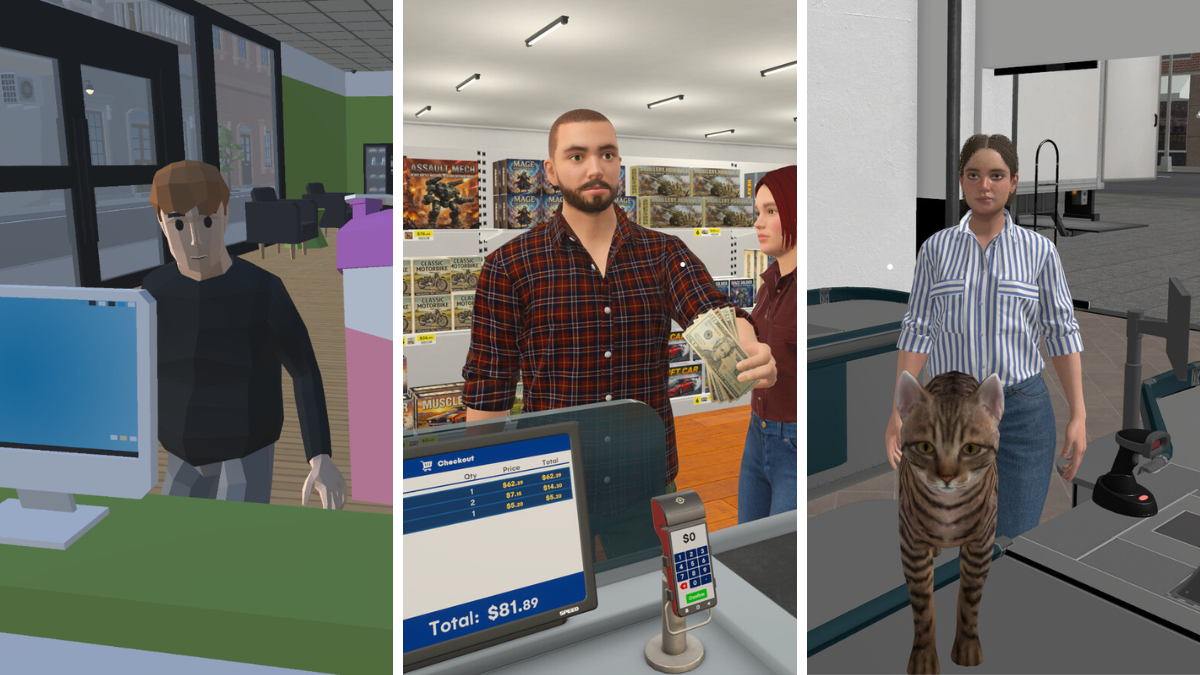
Steam's storefront faces an escalating glut of low-effort retail simulation games that shows no signs of stopping. The platform continues absorbing dozens of janky, cheaply-made shop and business management titles each week, overwhelming discovery systems and drowning out more polished releases.
This phenomenon reflects Steam's open publishing model, which allows nearly anyone to upload games with minimal quality control. Developers flood the platform with asset-flipped retail sims that cost little to produce but generate quick revenue through impulse purchases and regional pricing exploits. Many feature placeholder graphics, broken mechanics, and zero originality beyond swapping store themes.
The influx creates real problems for the Steam ecosystem. Legitimate indie developers and mid-tier studios struggle for visibility when their titles compete against hundreds of nearly-identical retail sims cluttering the new releases section. Players searching for genuine simulation games wade through mountains of garbage. The algorithm-driven recommendation system fails to distinguish quality, often promoting newer junk over established quality releases.
Valve's previous attempts to curb low-quality content have proven ineffective. The company imposed higher submission fees and review times, but these measures barely slowed the tide. The economics favor bad actors. A developer spending $5,000 on a rushed retail sim can recoup costs within days if even a fraction of daily Steam users impulse-buy at $2.99.
The broader retail sim market itself remains healthy. Titles like Two Point Hospital and Grounded prove that well-crafted management games still find audiences. The problem isn't the genre. The problem is that Steam's curation standards have collapsed for bottom-tier publishers with zero reputation.
Without stricter quality gates or algorithmic changes, expect this trend to worsen. Steam may need to implement category-specific curation standards or require developers to post refund rates publicly. Until the economics of shovelware change, the platform will remain flooded