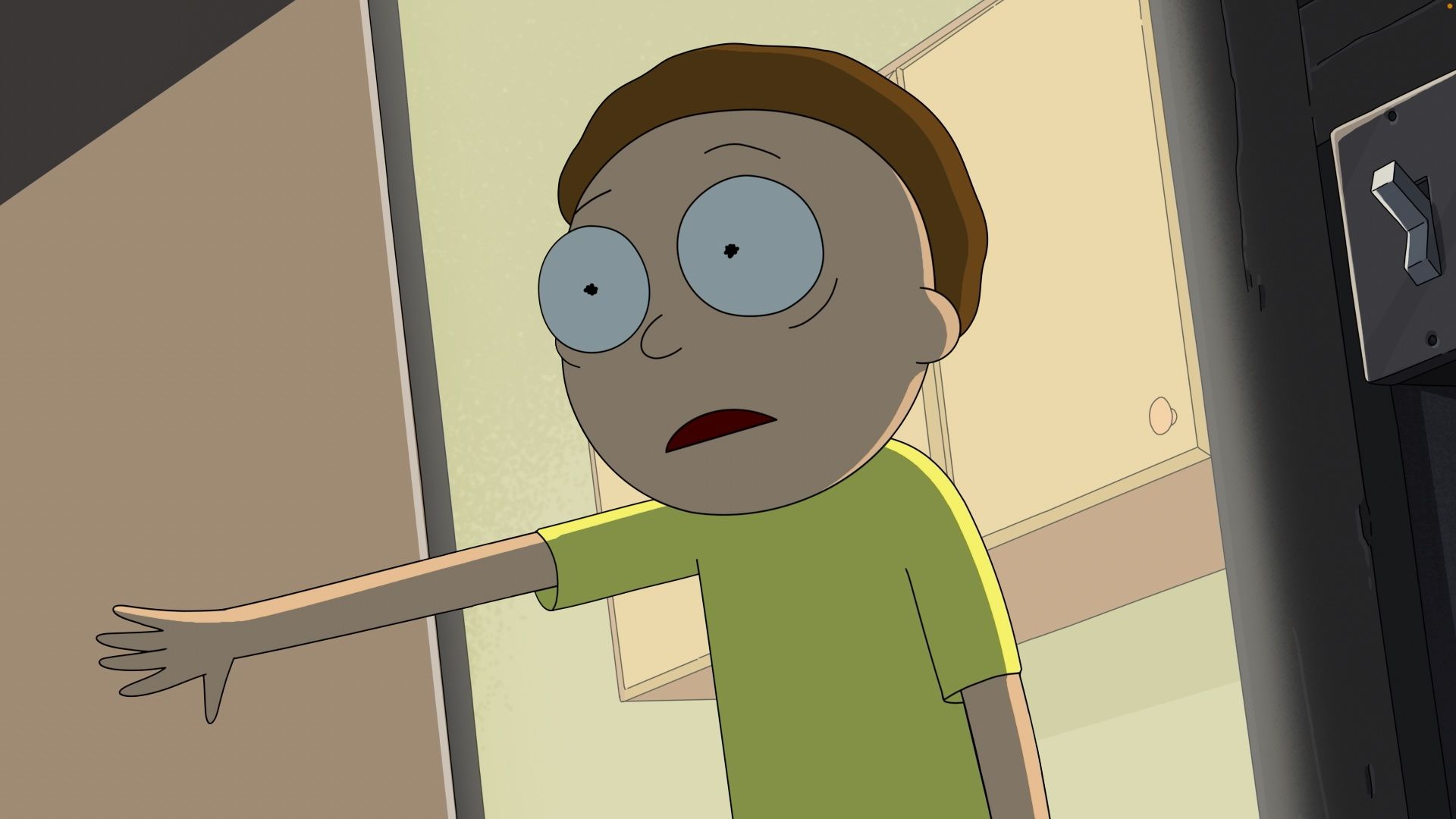
Rick and Morty's season 9 finale delivered a brutal confrontation between its titular characters, and the showrunners stood behind the creative choice as essential to the series' narrative arc. The episode forces viewers to confront the deeply dysfunctional relationship that has defined the show since its 2013 debut on Adult Swim.
Over nine seasons, Rick Sanchez and Morty Smith have evolved significantly. The finale examines how both characters have changed, stripping away the comedic veneer to expose the emotional damage underlying their partnership. Rather than offer easy resolution or redemption, the showrunners opted for a raw, unflinching look at their codependency and mutual harm.
This approach aligns with Rick and Morty's later-season direction. The show abandoned pure episodic comedy years ago, leaning instead into serialized storytelling and character development. Earlier seasons played Rick as a sociopathic grandfather dragging his anxious grandson through bizarre adventures. More recent installments have treated that dynamic as genuinely toxic, exploring the long-term psychological impact on Morty while examining what drives Rick's destructive behavior.
The decision to go brutal in the season finale reflects Adult Swim's willingness to let its flagship series mature beyond its comedy roots. The network has invested heavily in Rick and Morty, renewing it through season 10 and maintaining it as one of animation's most culturally relevant shows despite its contentious fandom and production delays.
Whether the finale's harshness serves the story or alienates viewers remains to be seen. Rick and Morty built its audience on irreverent humor and wild sci-fi premises. Trading those for emotional devastation represents a significant tonal shift. The showrunners clearly believe this brutality earned its place in the narrative, but fan reception will determine if the season 9 ending resonates or divides the