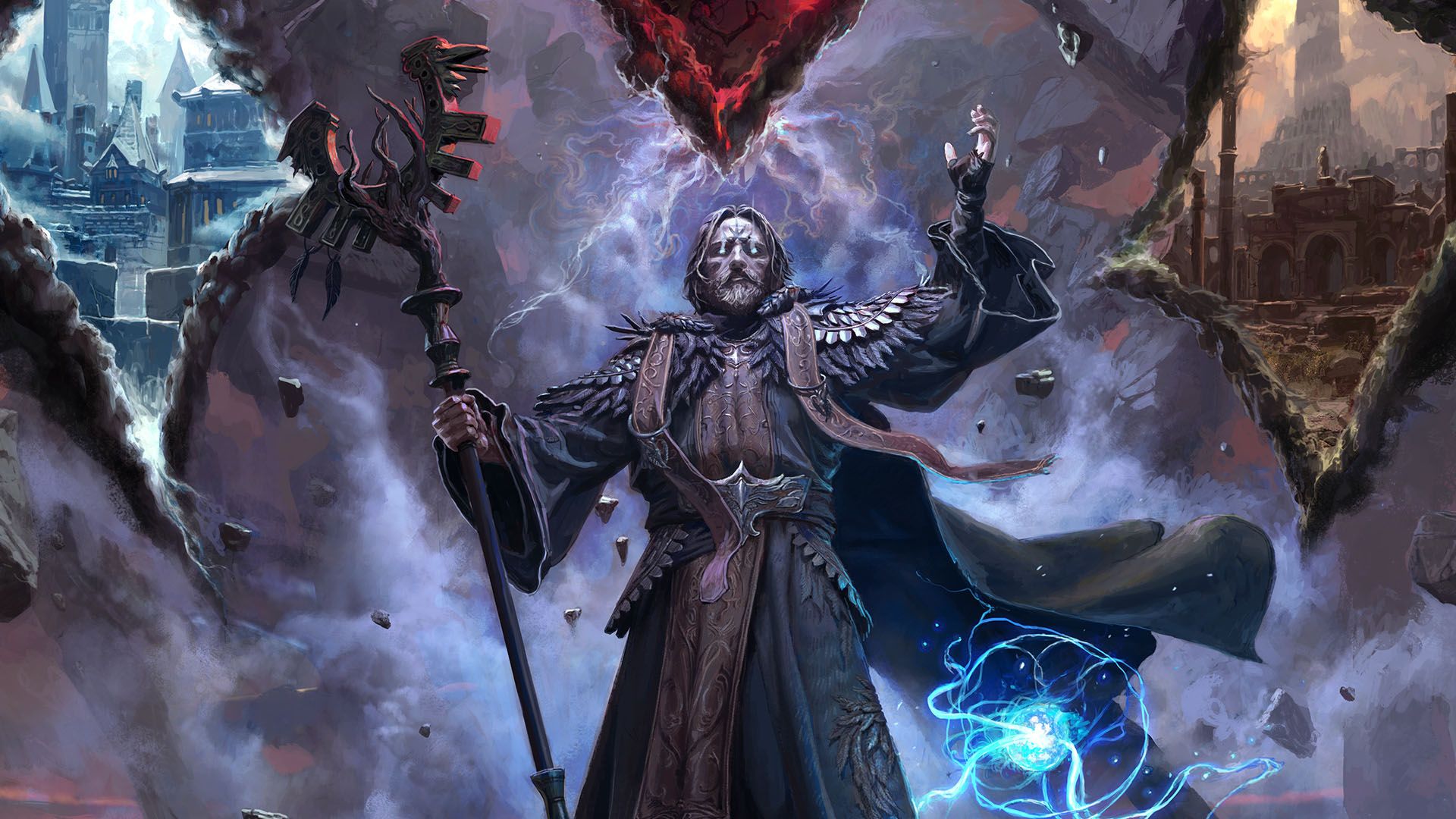
Path of Exile 2 defies genre expectations by delivering an unexpectedly relaxing experience within its intense action RPG framework. Grinding Gear Games built the sequel to accommodate players seeking both high-stakes combat and low-pressure gameplay moments.
The game's structure allows for flexible pacing. Players can engage in demanding boss fights and dungeons when they want challenge, then shift to grinding, crafting, and loot collection activities that require minimal stress. This duality separates Path of Exile 2 from other action RPGs that demand constant mechanical precision.
The loop itself becomes meditative. Clearing mobs, optimizing builds, and watching loot drop creates rhythmic satisfaction without the performance anxiety common in competitive multiplayer titles. The game respects player downtime. You can farm currency, organize inventory, and theory-craft gear setups at your own pace. There's no raid timer, no ranked matchmaking penalty, no forced progression speed.
Grinding Gear Games designed this specifically. The developer removed time gates and pressure mechanics that plagued the original Path of Exile for casual players. The sequel welcomes both hardcore endgame grinders and players seeking evening relaxation after work.
The cozy factor extends to community interaction. Trade systems and guild features encourage cooperation without requiring voice communication or split-second coordination. Players engage socially on their terms.
Path of Exile 2's surprise cozy appeal addresses market demand. Games like Stardew Valley and Animal Crossing proved players crave relaxation. But most action RPGs chase adrenaline and esports credibility. Path of Exile 2 splits the difference. It offers hardcore endgame content for streamers and competitive players while providing a meditative experience for others.
This positioning gives the game distinct identity in a crowded genre. Diablo IV prioritizes spectacle. Lost Ark demands engagement. Path