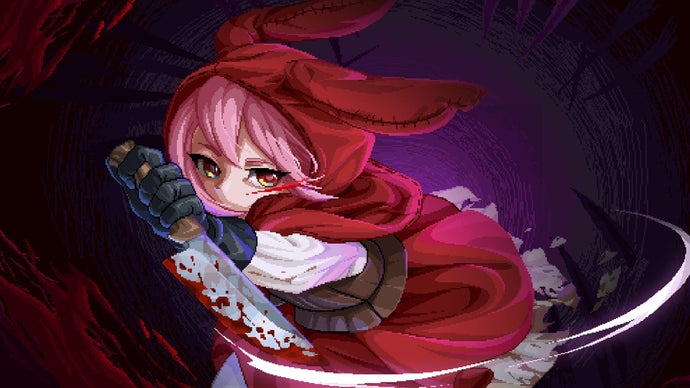
Rubinite launches today as a boss-rush action RPG that channels the gothic brutality of Blasphemous and the precision combat of Sekiro. Developed by Gameworks Ventures and Cup Dog Games, the game casts players as a red-eyed murder princess wielding nothing but a kitchen knife against increasingly grotesque dark fantasy enemies.
The core appeal sits squarely in the boss-focused design. Rather than traditional level progression, Rubinite strips gameplay down to pure encounter design. Each fight demands mastery of timing, positioning, and the protagonist's limited but lethal moveset. This approach mirrors the structure that made Blasphemous resonate with hardcore action fans, while borrowing Sekiro's emphasis on learning enemy patterns and punishing defensive play.
The knife-based combat carries weight. This isn't a dainty weapon. The developer's focus on visceral animations and weighty damage feedback transforms a simple blade into something genuinely threatening. The protagonist's diminutive frame against towering bosses creates stark contrast, forcing players to exploit gaps in enemy patterns rather than overpower through stats.
The dark fantasy aesthetic leans hard into the macabre. The wolfbeast mentioned in early previews suggests creature design pulls from horror traditions rather than generic fantasy fare. Character and environment art establishes mood through grotesque detail and color palette restraint, avoiding the oversaturation that plagues lesser indie action games.
Rubinite targets a specific player demographic: those who finished Blasphemous and craved tighter, more focused combat; Sekiro veterans comfortable with demanding parry windows; action game enthusiasts tired of bloated RPG progression systems. The boss-rush format also signals respect for player time. No padding, no mandatory grinding, no filler exploration. Pure encounter design.
The launch positions Rubinite in a growing subgenre