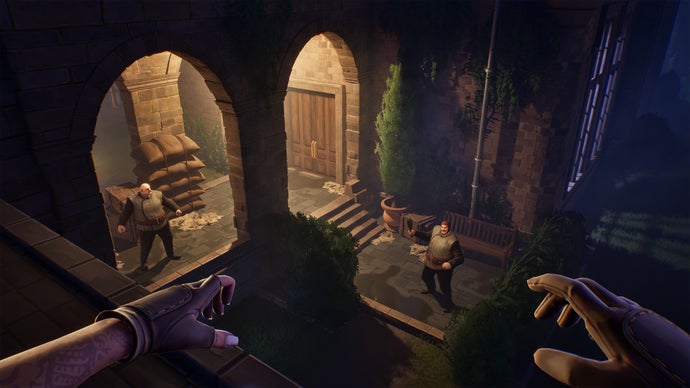
Thick as Thieves, the multiplayer immersive sim from Warren Spector's team, takes a stand against industry abandonment practices by committing to keep its game playable long-term. The studio rejected the triple-A model of sunset servers and live-service kill switches that strand players with unplayable purchases.
The game originally launched as a PvPvE multiplayer experience where players competed for the same loot in a shared immersive sim space. That vision narrowed earlier this year to solo and co-op play only, losing the competitive edge but retaining the core mechanics that made it distinct. Despite that pivot, the developers chose a path most big publishers ignore: permanent playability.
This decision matters because the games industry treats online titles as temporary products. Activision shutters Call of Duty servers. Bethesda closes Fallout 76 servers. Ubisoft delists entire franchises from digital storefronts. Players lose access to games they purchased, with no recourse. The practice frustrates longtime gamers and haunts indie developers who worry their work will vanish when profit margins shrink.
Thick as Thieves' commitment addresses a real player concern. After investing time and money into a game, discovering it's unplayable because the publisher flipped a switch feels predatory. The studio's approach acknowledges this trust breach. By keeping servers live or enabling offline functionality, they preserve the value of player investment.
Co-op immersive sims remain rare in mainstream gaming. Dishonored's design philosophy rarely translates to multiplayer spaces. Thick as Thieves' smaller pivot to co-op keeps that design DNA alive without the infrastructure costs of PvP matchmaking. The tradeoff trades some mechanical depth for sustainability.
This move won't revolutionize industry practice. Triple-A publishers chase live-service