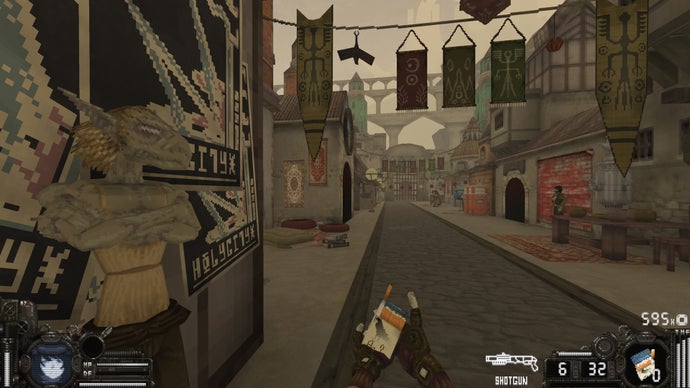
Ringwyrm emerges as a fresh action horror shooter blending immersive combat with fantasy Soviet aesthetics. The game's edgy positioning and distinct visual identity recall the late 90s and early 2000s marketing era, when bold taglines and aggressive positioning dominated the industry. Despite its unfortunate name, Ringwyrm's core appeal lies in its genre-fusion approach and atmospheric world-building.
The title combines gunplay mechanics with horror elements set in a fantasy Soviet setting, a combination that stands out in a crowded indie and AA shooter market. This thematic blend taps into growing player interest in alternate-history and Eastern European-inspired game worlds, following the success of titles like Stalker 2 and the broader resurgence of Cold War-adjacent aesthetics in gaming.
Ringwyrm's reveal suggests the developers understand niche appeal. Rather than chasing mainstream trends, they've doubled down on specificity. The fantasy Soviet backdrop provides visual distinctiveness, while the horror framework justifies environmental hazards and creature design that would feel out of place in a standard shooter. This layered approach differentiates it from generic action titles flooding storefronts.
The comparison to that edgy early 2000s marketing era is telling. Games like Serious Sam, Half-Life 2, and Far Cry leaned into provocative positioning alongside genuine mechanical innovation. Ringwyrm appears to follow this blueprint. Developers recognize that today's gaming audiences, particularly on PC where this will likely find its core base, respond to games with personality and direction.
Whether Ringwyrm achieves commercial success depends on execution. The premise alone carries appeal for players fatigued by military shooters and generic horror. The challenge lies in delivering satisfying gunplay mechanics, compelling enemy design, and environmental variety that justifies the horror framework beyond mere atmosphere.
The game's