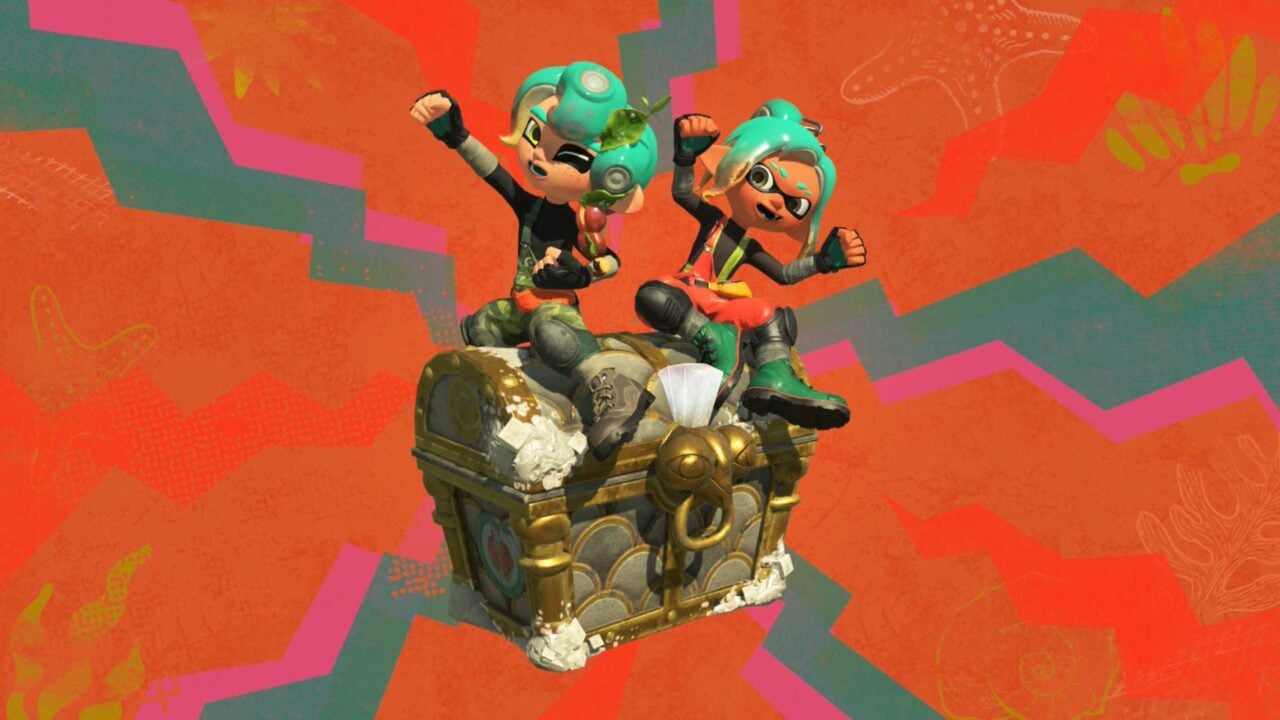
Splatoon's "Booyah" callout represents one of gaming's most effective communication tools, merging tactical necessity with genuine team spirit. The mechanic allows players to quickly coordinate during matches without voice chat, creating a shared language across the Nintendo Switch ink-based shooter's community.
The beauty of "Booyah" lies in its simplicity. Players tap a button and their character shouts the phrase, signaling enthusiasm, readiness, or acknowledgment to teammates. It costs nothing, requires no microphone, and works across language barriers. For young players and competitive squads alike, the callout builds cohesion in real time.
Nintendo designed this with accessibility at its core. Splatoon removes friction from team communication by making voice chat optional rather than mandatory. This approach protects younger players from toxic chat while still fostering camaraderie. The "Booyah" system demonstrates that effective multiplayer design doesn't require headsets or complex ping systems.
The phrase itself carries cultural weight within Splatoon's community. Players deploy "Booyah" to celebrate victories, acknowledge good plays, or rally teammates during losing fights. It's become shorthand for the game's wholesome competitive spirit. Matches where teams exchange "Booyahs" feel fundamentally different from silent lobbies.
Competitive players in ranked modes rely on strategic "Booyah" timing. Coordinated callouts before pushing objectives, after securing kills, or when rotating positions create rhythm. The mechanic transforms from flavor into genuine tactical advantage. Teams that communicate with "Booyah" often play with better positioning and timing.
This speaks to broader design philosophy in modern shooters. While games like Call of Duty and Valorant prioritize voice communication, Splatoon proves that thoughtful alternatives work. The franchise's approach respects player agency, reduces toxicity, and