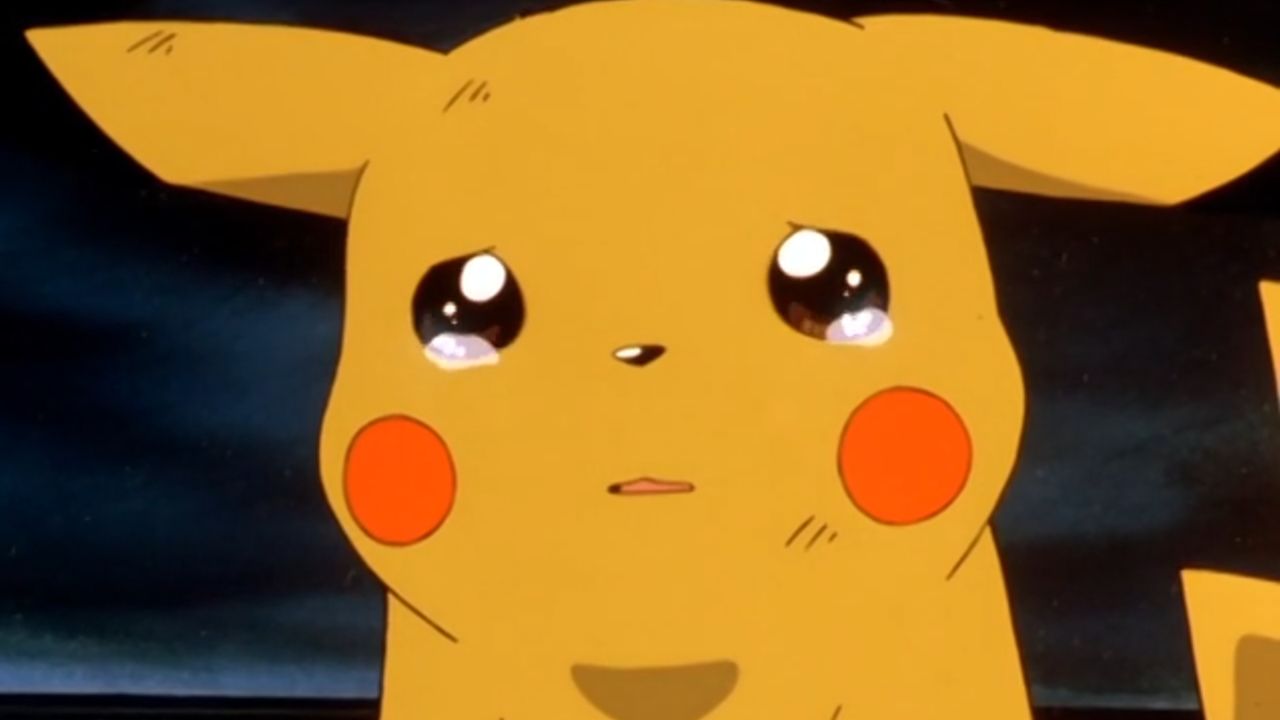
Nintendo's patent office struggles have reached a level of bureaucratic frustration. Japan's Patent Office rejected Nintendo's defense of a previously denied Pokémon-related patent application, and their response carried unmistakable sarcasm. Official communications from the patent office labeled Nintendo's argument "absurd," signaling rare public irritation with the gaming giant's legal strategy.
The specifics of the rejected patent remain unclear from available details, but the tone shift matters. Patent offices typically maintain formal, neutral language across all proceedings. When officials pivot to sarcastic dismissal, it reflects genuine exasperation with repetitive or weak arguments. Nintendo's history of aggressive intellectual property defense has earned both respect for protecting its properties and criticism for overzealous enforcement.
This rejection adds to Nintendo's recent patent troubles. The company filed suit against Palworld developer Pocketpair over alleged Pokémon patent infringement, claiming the survival game copied mechanics tied to creature-catching systems. That case continues through courts, but Nintendo's track record suggests it pushes claims aggressively even when evidence appears thin.
The patent office's visible frustration hints at a pattern. Nintendo has submitted multiple applications and resubmissions attempting to secure patents for mechanics that competitors argue are industry standard. Creature-catching, stat systems, and evolution mechanics existed before Pokémon, yet Nintendo pursues legal protections that would effectively grant it monopolistic control over genre fundamentals.
Japan's Patent Office decision sends a message beyond this single application. When state institutions publicly mock a defendant's legal position, future submissions face heightened skepticism. Nintendo's legal team may need to recalibrate its approach, particularly for patents covering broad mechanics rather than specific technical innovations.
The broader implication affects the entire industry. If Nintendo successfully patents generic RPG systems, developers working on creature-collection games face licensing costs or litigation threats. The patent office's rejection