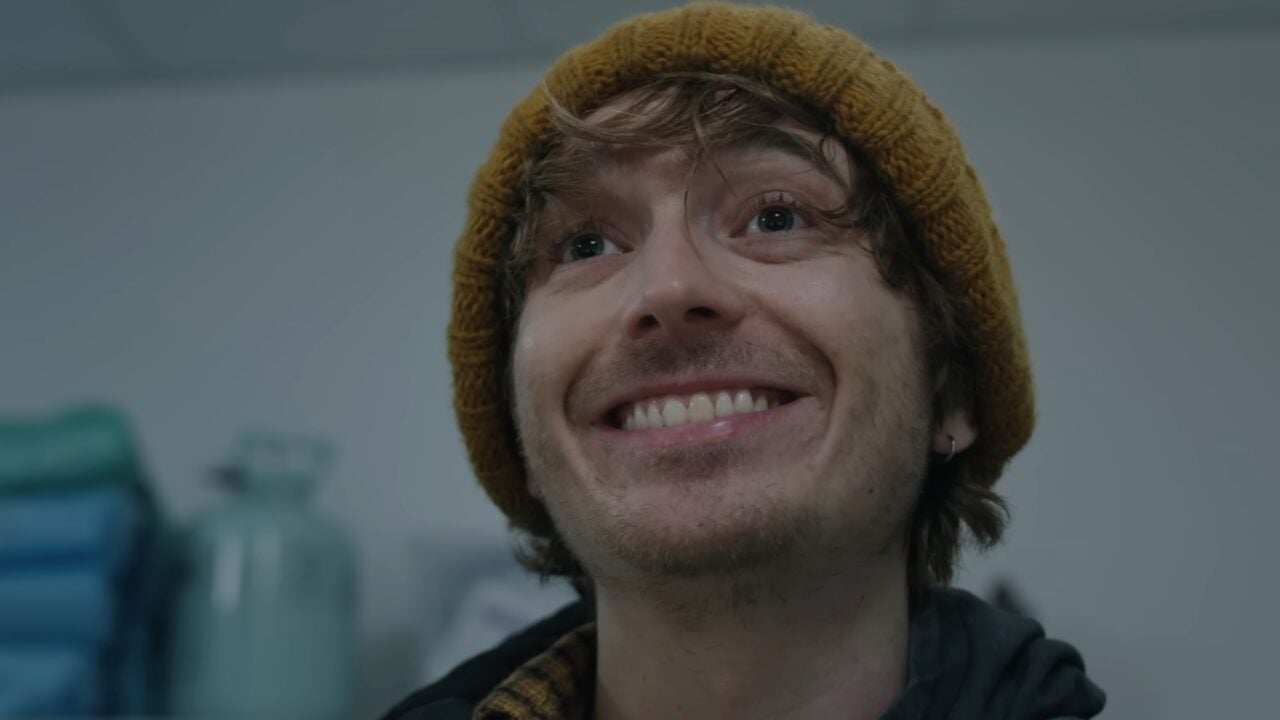
Director Zach Cregger acknowledges the backlash from Resident Evil fans over creative departures in his film adaptation. The filmmaker admitted to taking significant liberties with the source material, prioritizing his own storytelling vision over strict adherence to Capcom's game canon.
"I took liberties to tell a story that I wanted to tell," Cregger stated, signaling awareness that hardcore Resident Evil players scrutinize game-to-film adaptations closely. This approach mirrors the criticism leveled at previous RE movies, where fans noted deviations from established lore and character arcs.
The Resident Evil franchise has a complicated history with Hollywood adaptations. The six-film series starring Milla Jovovich departed significantly from the games' horror tone and storylines, building its own mythology rather than faithfully translating game events to screen. That franchise earned over $1.2 billion globally despite fan complaints about inaccuracy.
Cregger's comments suggest his version will follow a similar path. Rather than directly adapting Resident Evil 5 or any single game narrative, he crafted original story elements while using the franchise's DNA. This strategy appeals to broader audiences unfamiliar with game lore while frustrating longtime players expecting recognizable plot points and character development.
The filmmaker's openness about his creative choices differs from typical studio deflection. Instead of claiming fidelity to source material, Cregger owes the reinterpretation outright. This candor reflects either confidence in the film's quality or acknowledgment that major deviations were unavoidable given cinematic constraints.
For game-to-film adaptations, this tension persists. Studios must balance commercial appeal with fan service, knowing strict game adaptations can feel slavish while significant departures alienate the built-in audience. Cregger's Resident Evil will