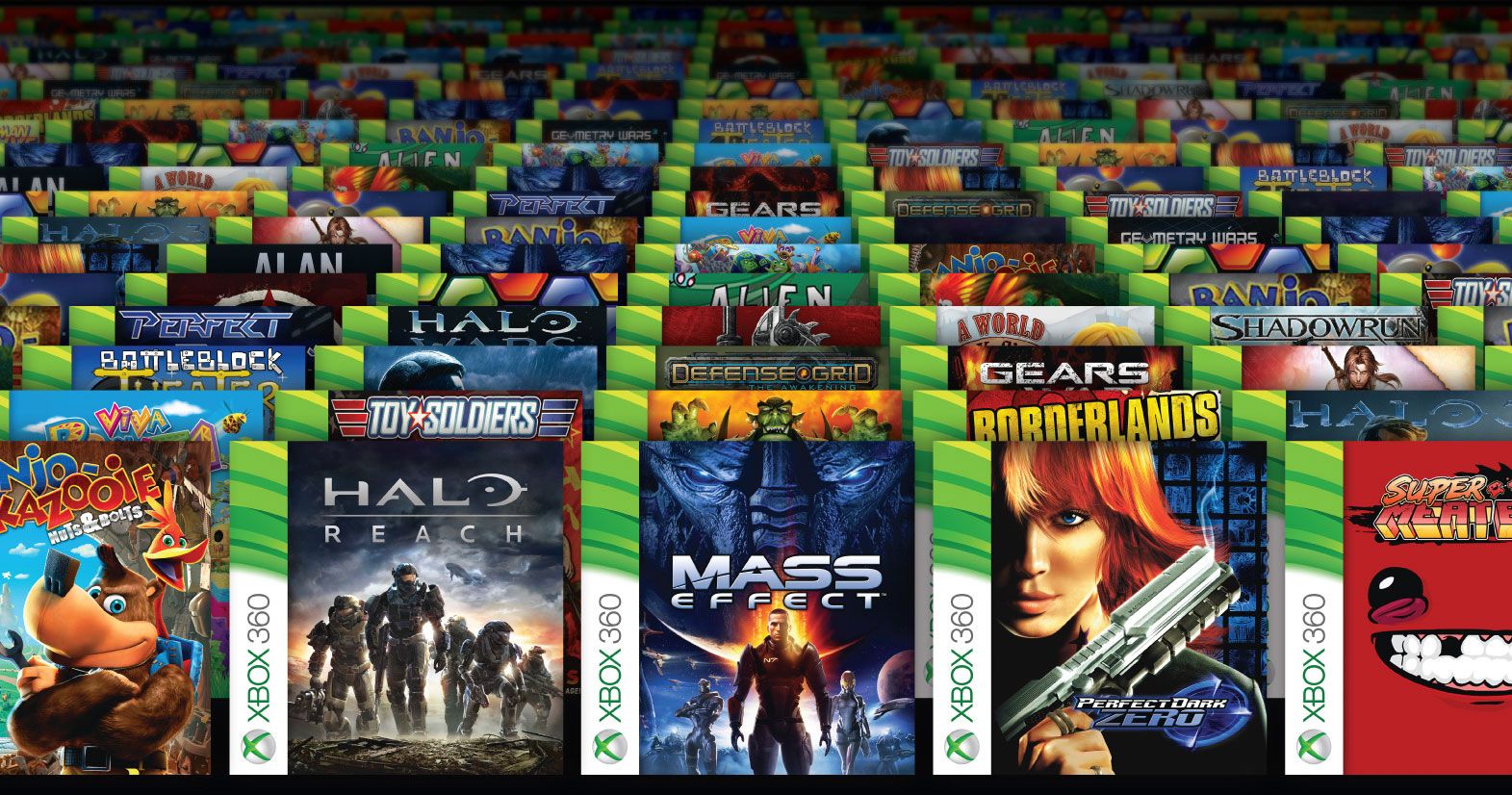
A dataminer discovered Xbox 360 emulation code embedded within recent Xbox backward compatibility titles on PC, revealing Microsoft already possesses the technical infrastructure to port 360 games to Windows. The finding suggests the company has functional emulation technology ready for deployment, though no official announcement has confirmed plans to expand 360 backward compatibility to PC.
Microsoft has maintained an extensive backward compatibility program for Xbox One and Xbox Series X/S, allowing players to run hundreds of older Xbox and Xbox 360 titles on current hardware. The program has become a selling point for the Xbox ecosystem, differentiating it from PlayStation's more limited backward compatibility offerings. However, PC support for 360 games remains absent despite growing player demand.
The datamined evidence indicates Microsoft's emulation work extends beyond consoles. This suggests the company could technically release 360 games on Game Pass for PC or sell them independently on Windows, expanding its library substantially. Titles like Red Dead Redemption, Halo 3, and Mass Effect remain unavailable on PC through official channels, creating market opportunity.
Whether Microsoft will actually launch 360 emulation on PC remains unclear. The company may be pursuing licensing agreements with publishers before rolling out support, or it could prioritize console emulation first. Microsoft has faced licensing complications before, preventing certain titles from joining backward compatibility even when technical capability exists.
The discovery fuels speculation about future Xbox and Game Pass strategy. A PC-based 360 emulator would strengthen Microsoft's push toward unified gaming across Windows and Xbox hardware. It would also pressure Sony to expand PlayStation Now's backward compatibility offerings beyond PS4 and PS5 titles.
For now, this remains datamined evidence rather than confirmed feature. Microsoft typically announces backward compatibility additions during major presentations or through official channels. The presence of emulation code suggests active development, but deployment timing and scope remain undetermined.