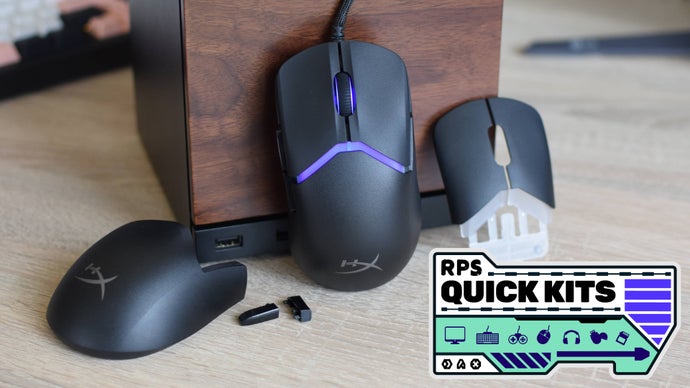
HyperX's new Pulsefire Saga gaming mouse takes a different approach to customization than its pricier competitors. Rather than focusing on click-feel adjustments like Logitech's G Pro X2 Superstrike, the Saga emphasizes modular hand components that let players swap grips and other parts to fit their preferred palm positioning.
The mouse's standout feature is its modular design. Players can adjust elements that sit beneath the hand itself, giving the Saga an edge in ergonomic flexibility without the premium cost attached to Logitech's analogue clicker technology. This positions the Saga as an accessible entry point for gamers seeking customization options in the wired mouse market.
At a fraction of the G Pro X2 Superstrike's price, the Pulsefire Saga appeals directly to budget-conscious gamers who want modularity without overpaying for advanced button mechanics. The swap-out components strategy shifts the customization conversation away from micro-adjustments at the fingertips toward macro-comfort adjustments across the entire grip.
This reflects a broader trend in gaming peripherals. While premium mice pursue incremental refinements in click responsiveness and sensor technology, manufacturers like HyperX recognize that many players prioritize comfort and adaptability. The modular approach lets different hand sizes and grip styles benefit from a single mouse chassis, extending the product's appeal across a wider audience.
The Saga enters a competitive landscape where Logitech, Razer, and SteelSeries dominate premium segments. HyperX's strategy here targets players who want customization features without flagship pricing. For wired mouse users particularly, the Saga offers practical modularity that justifies shelf space against established competitors.