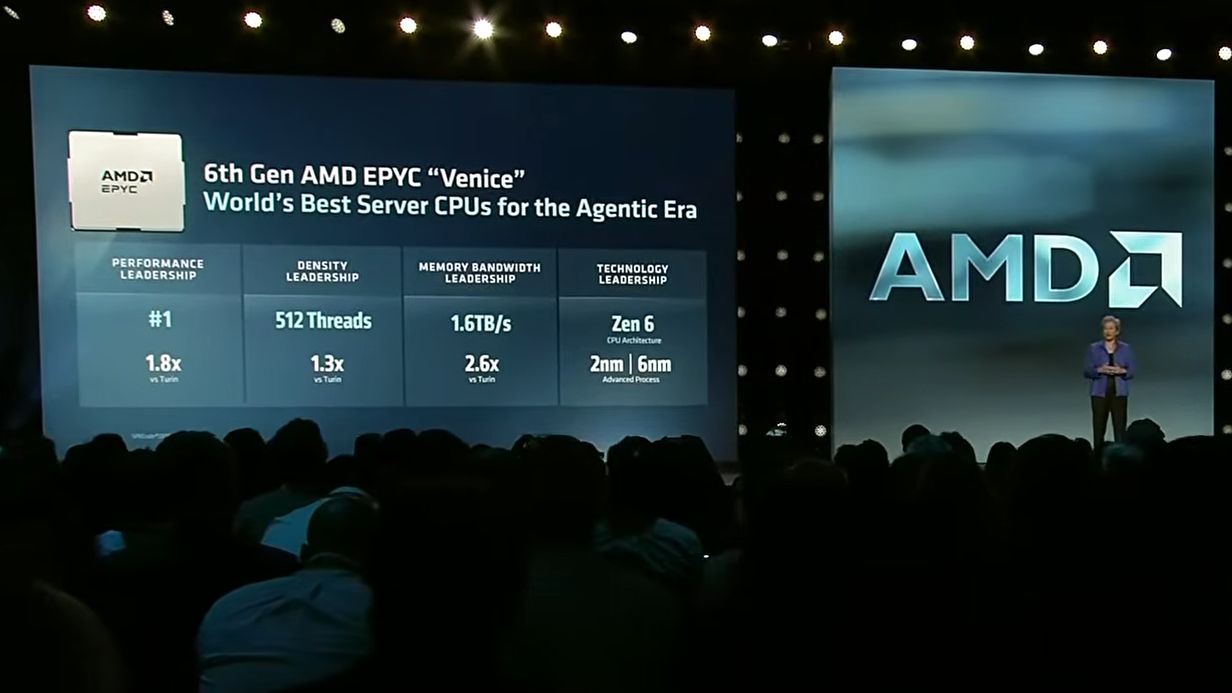
AMD's Zen 6 server processors signal strong momentum for the chipmaker's desktop CPU roadmap. The architecture demonstrates meaningful IPC (instructions per cycle) improvements over current generation chips, which translates directly to better gaming and workstation performance when the tech trickles down to consumer processors.
Zen 6 debuts in server environments first, a standard industry practice that gives AMD time to refine yields and validate performance before consumer rollout. The architecture's efficiency gains matter for desktop builders tired of power consumption creep. Zen 7 and Zen 8 iterations should arrive within predictable cadences, keeping AMD competitive against Intel's Arrow Lake and Lunar Lake families.
The server-first approach benefits everyone. Enterprise deployments stress-test new architectures under extreme loads. Any stability issues surface before consumer chips ship. AMD learned this lesson well with Zen 5, which delivered solid real-world gains when it landed on desktop. Zen 6's server performance suggests the desktop variant won't disappoint.
Current Ryzen 9 processors already dominate high-end gaming and content creation. Zen 6 desktop chips would extend that lead further, particularly for threaded workloads where IPC gains compound across multiple cores. Enthusiasts running 16-core or 32-core chips see massive productivity improvements from even modest per-core efficiency gains.
Intel needs to answer quickly. Arrow Lake proved underwhelming, and Lunar Lake targets mobile primarily. AMD's desktop processors occupy the sweet spot between performance and value right now. Zen 6 arrival on consumer platforms would cement AMD's position as the performance-per-dollar leader through 2025 and beyond.
The timeline remains unconfirmed, but AMD's aggressive cadence suggests desktop Zen 6 variants could appear within 12-18 months of server launch. Zen 7 would follow