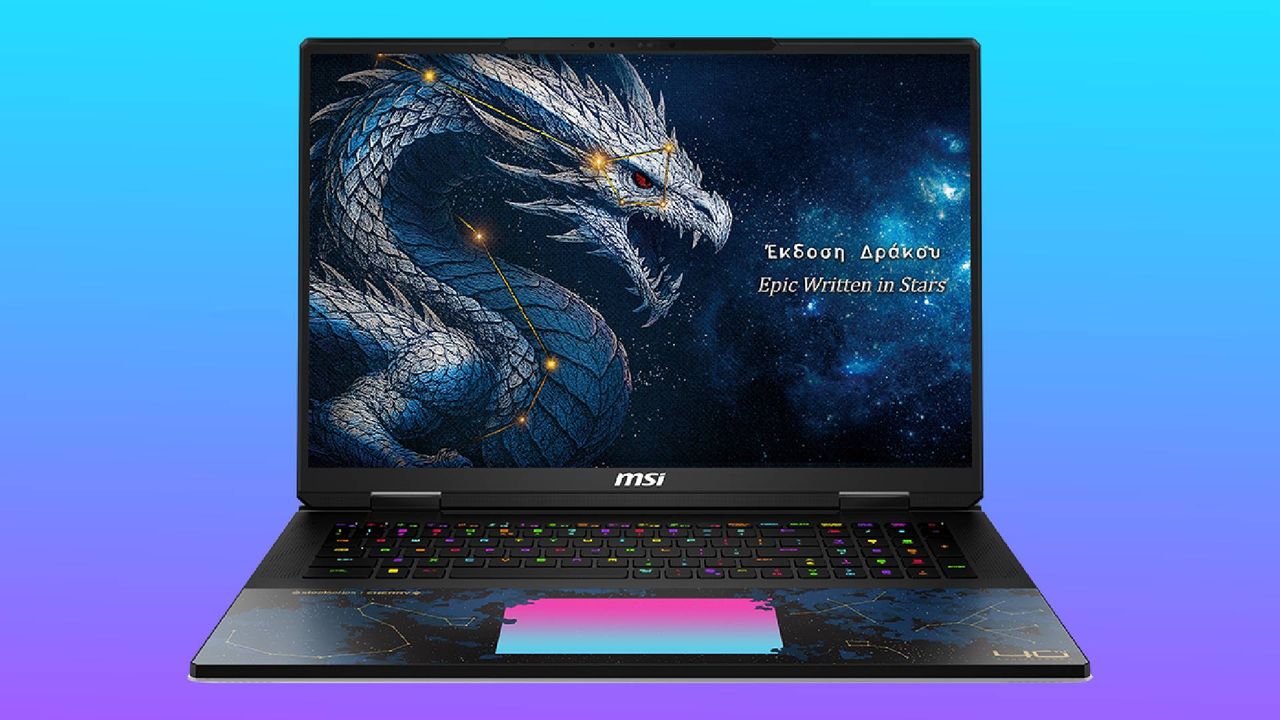
MSI marked four decades in business by unveiling an ultra-premium laptop priced at $7,000, pushing gaming hardware into luxury territory. The Taiwanese manufacturer used the milestone to showcase engineering at the absolute top end of the market.
Details on the specific model remain sparse, but MSI's positioning of this machine at that price point signals a clear strategy. The company targets affluent gamers and content creators willing to pay extreme premiums for cutting-edge performance, exclusive design, and limited production runs. At seven grand, this sits well above standard gaming laptops from competitors like ASUS ROG, Razer, and Alienware, which typically max out around $3,000 to $4,500 for their flagships.
The move reflects broader trends in premium PC gaming. High-end laptops increasingly compete with desktop replacements as portable workstations for professionals who game. MSI's anniversary stunt doubles as a marketing flex. The company demonstrates technical prowess and craftsmanship by building a machine that justifies that price tag through exotic materials, custom cooling, top-tier components, or limited availability.
MSI has built its reputation on aggressive positioning across the market. From budget gaming rigs to enthusiast-grade desktops and laptops, the company knows how to capture mindshare at every tier. A $7,000 laptop generates buzz, attracts media coverage, and elevates the brand's prestige even if only a handful of customers actually purchase one.
The ultra-premium laptop segment remains niche but profitable. Companies like Origin PC and custom builders have proven demand exists for machines that cost as much as used cars. MSI's entry signals confidence in that market's durability and shows the company isn't ceding luxury positioning to smaller competitors.
This anniversary celebration tells us something about where gaming hardware heads next. As components become more powerful and smaller, manufacturers differentiate