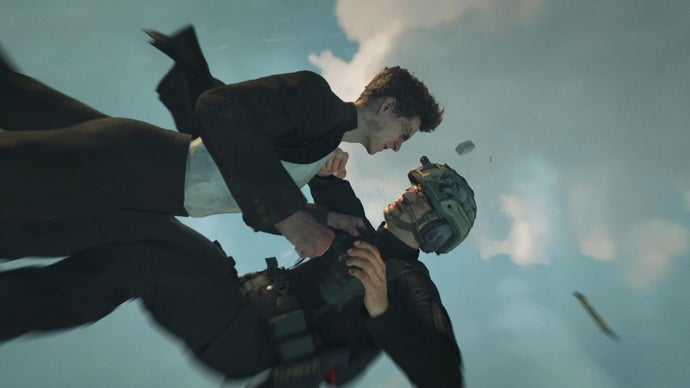
IO Interactive deliberately toned down melee combat in 007 First Light to preserve stealth as the game's core identity. The developer faced a design challenge: Bond's hand-to-hand fighting felt so effective that players abandoned sneaking entirely, undermining the game's DNA as a stealth-focused experience.
First Light delivers multiple playstyles, letting players shoot, sneak, punch, and improvise their way through situations. But early in development, melee combat proved too powerful. Combat encounters became the path of least resistance, pushing players away from the sandbox infiltration gameplay that defines IO Interactive's specialty. The studio rebuilt its reputation on Hitman's intricate, flexible stealth systems, so losing that tension in a Bond title threatened the whole experience.
The fix meant rebalancing First Light's combat to make stealth the rewarding approach rather than the optional one. Punching still works, but it no longer trivializes encounters. Shooting carries weight but attracts guards. Sneaking becomes the high-risk, high-reward option that separates skilled players from button mashers.
This design philosophy reflects how IO Interactive thinks about player agency. Rather than let combat dominate, the studio prioritized flow between stealth, discovery, and improvisation. That "getting caught then bullshitting your way out" approach works because the game expects players to prioritize staying hidden first.
007 First Light releases on console and PC platforms this year, arriving at a moment when stealth games occupy a unique space. Splinter Cell remains dormant. Dishonored ended its run. The Hitman trilogy proved stealth sandboxes remain compelling when designed around player choice rather than predetermined paths. IO Interactive recognized that a Bond game could strengthen that foundation rather than dilute it by simply letting combat overshadow the sneaking layers.
The rebalancing decision signals how IO Interactive approaches licensed properties.