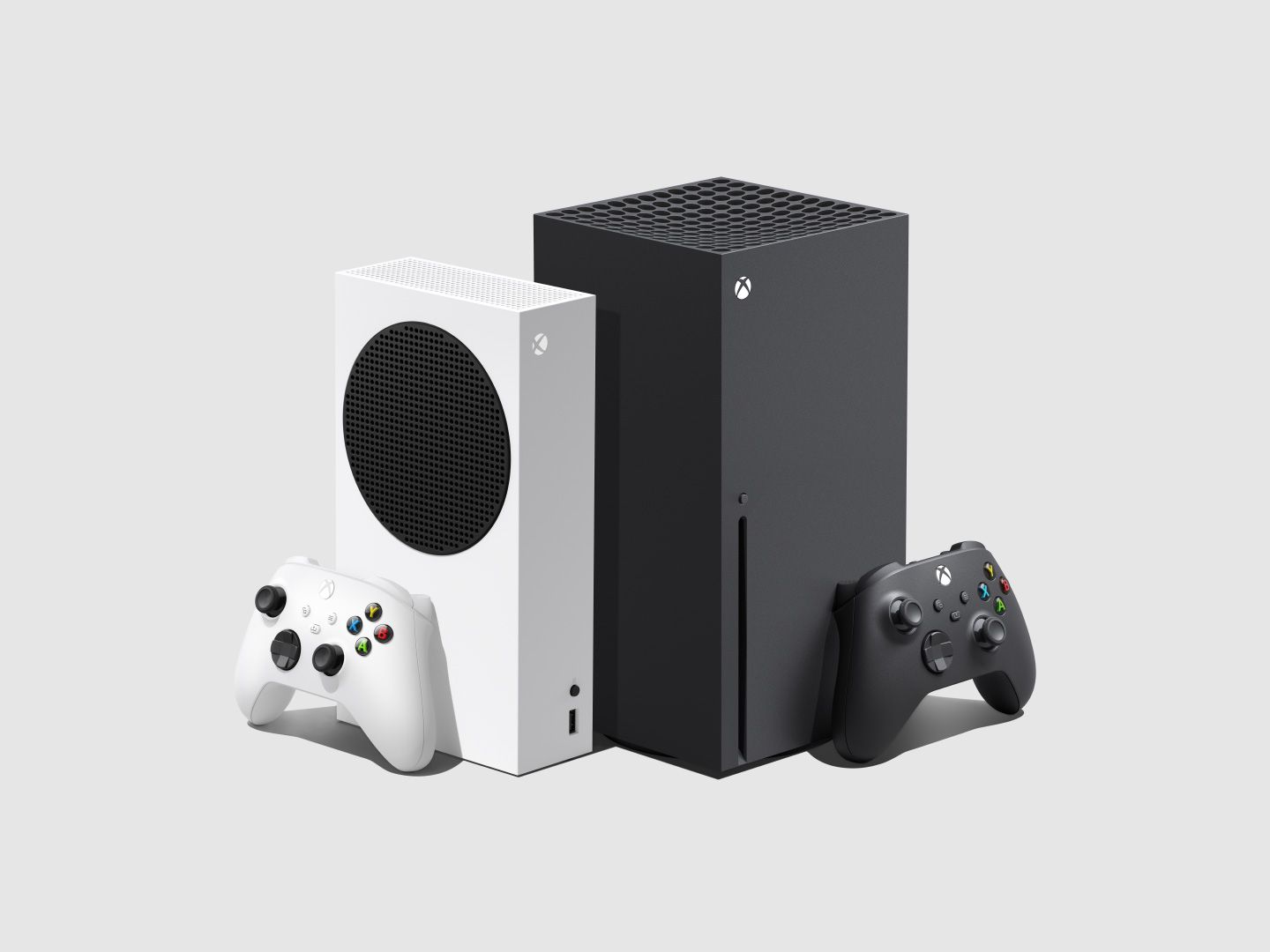
Xbox continues to undergo substantial restructuring under CEO Asha Sharma's leadership. The division announced multiple game cancellations across 2026, signaling a shift in its development priorities and portfolio strategy.
The cancellations represent a broader trend at Microsoft's gaming division. Rather than maintain a sprawling lineup of in-development titles, Xbox appears to be consolidating resources toward fewer, higher-impact releases. This mirrors industry consolidation seen across publishers like Sony and Embracer Group over the past two years.
Sharma's tenure has brought visible operational changes. The executive has reshuffled leadership positions, adjusted development timelines, and realigned studio focus areas. These moves follow Xbox's previous struggles with first-party output, a critical weakness Microsoft acknowledged when it acquired Bethesda and Activision Blizzard to bolster its Game Pass catalog.
The rumor mill surrounding Xbox remains active. Reports suggest the division is evaluating which franchises to prioritize, with some projects potentially shifting to different studios or platforms. The company has not detailed which specific games face cancellation, though industry insiders continue tracking development shifts at Bethesda, Obsidian Entertainment, and other Microsoft-owned studios.
Game Pass remains central to Xbox's strategy. Rather than pushing traditional retail releases, the subscription service drives Microsoft's revenue model. Cancellations may reflect a tighter focus on titles with strong Game Pass appeal, particularly live-service games and day-one releases that justify subscription value.
Player reception to these changes has split. Some welcome streamlining, arguing Xbox was spreading itself too thin. Others worry about reduced game variety and longer gaps between major releases. The impact on Xbox's competitive position against PlayStation 5 and Nintendo Switch remains unclear, though Microsoft's aggressive acquisition strategy suggests the company intends to compete aggressively in coming years.
Sharma's restructuring efforts continue through 2026, with