PC gaming this week delivers eclectic variety across action, mystery, and experimental design. The standout releases blend unconventional mechanics with established genres, offering players fresh takes on familiar templates.
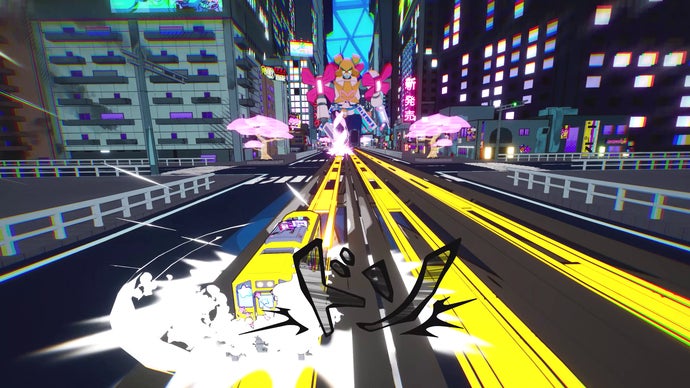
Denshattack combines vertical-ramping mechanics with train-based gameplay, creating a niche concept that leans into precision platforming wrapped around rail systems. The game demands players master momentum and spatial awareness while navigating vert-ramp layouts. This vertical design philosophy marks a departure from traditional train-based games, prioritizing mechanical complexity over narrative delivery.
A retold murder mystery hits the platform this week, reimagining classic detective storytelling through fresh narrative perspectives. The revamped approach suggests developer interest in subverting player expectations around whodunit conventions. This reflects broader industry trends toward narrative experimentation in traditionally straightforward genres.
Cthulhu appears as an AI director in another release, transforming the cosmic horror entity into a procedural game system. Rather than a villain, Cthulhu functions as an algorithmic force shaping player encounters and environmental design. This mechanical application of Lovecraftian themes represents indie creativity in repurposing established IP concepts.
The week also references updates to Digital Extremes' live-service ecosystem. Warframe receives Tau, its long-awaited second solar system expansion featuring dark progression paths, wolf mounts, and origin questlines. Soulframe, the studio's fantasy action-RPG, enters open access with a new dark progression branch available to all players during the limited-time window.
These releases demonstrate PC gaming's continued appetite for genre blending, mechanical innovation, and unconventional takes on established archetypes. Players seeking experimental design find legitimate options alongside live-service expansions catering to established communities.