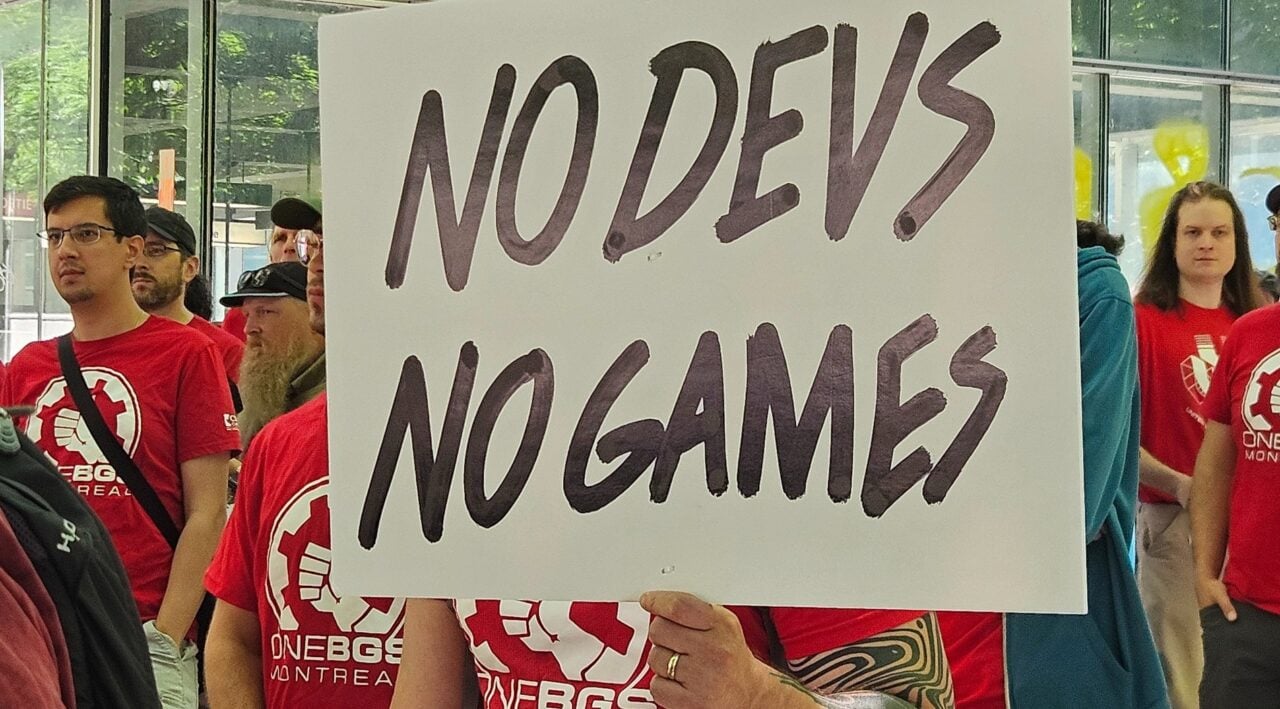
The video game industry faces mounting pressure from labor organizing efforts, with public protests emerging as a direct response to studio layoffs. The Communications Workers of America (CWA) has mobilized visible demonstrations, including actions at ZeniMax Studios in Maryland, signaling a shift in how the industry handles workforce reductions.
Historically, game studios conducted layoffs with minimal public fanfare. Executive announcements and severance packages stayed internal. That era has ended. Worker organizing, particularly through the CWA, now ensures layoffs receive public scrutiny and activist presence. Protests force companies to defend their decisions publicly rather than managing them through press releases alone.
This represents a structural change in labor relations across major publishers and independent studios. Companies like Microsoft, Activision Blizzard, and Take-Two have all faced organized responses to recent cuts. The visibility transforms layoffs from routine business decisions into public relations challenges. Studios can no longer control the narrative internally.
The CWA's activism reflects broader unionization trends in gaming. Workers increasingly demand transparency on hiring freezes, studio closures, and headcount reductions. Public demonstrations create accountability mechanisms that traditional HR processes lacked. When workers organize collectively, they amplify individual grievances into industry-wide conversations.
For studios, this means layoff announcements now require careful messaging and preparation for external backlash. Affected workers have support networks and platforms to document their experiences. Social media amplifies their stories instantly. Potential recruits see public worker responses before considering employment.
The shift also influences investor confidence and public perception. Companies face questions about workforce stability alongside financial performance. Consumers increasingly factor labor practices into purchasing decisions, particularly after high-profile studio closures.
Video game employment no longer operates in private spaces. Unions and organizing groups ensure every significant reduction receives public attention. Studios must now justify cuts to workers, the public, and shareholders simultaneously. This transparency fundamentally al