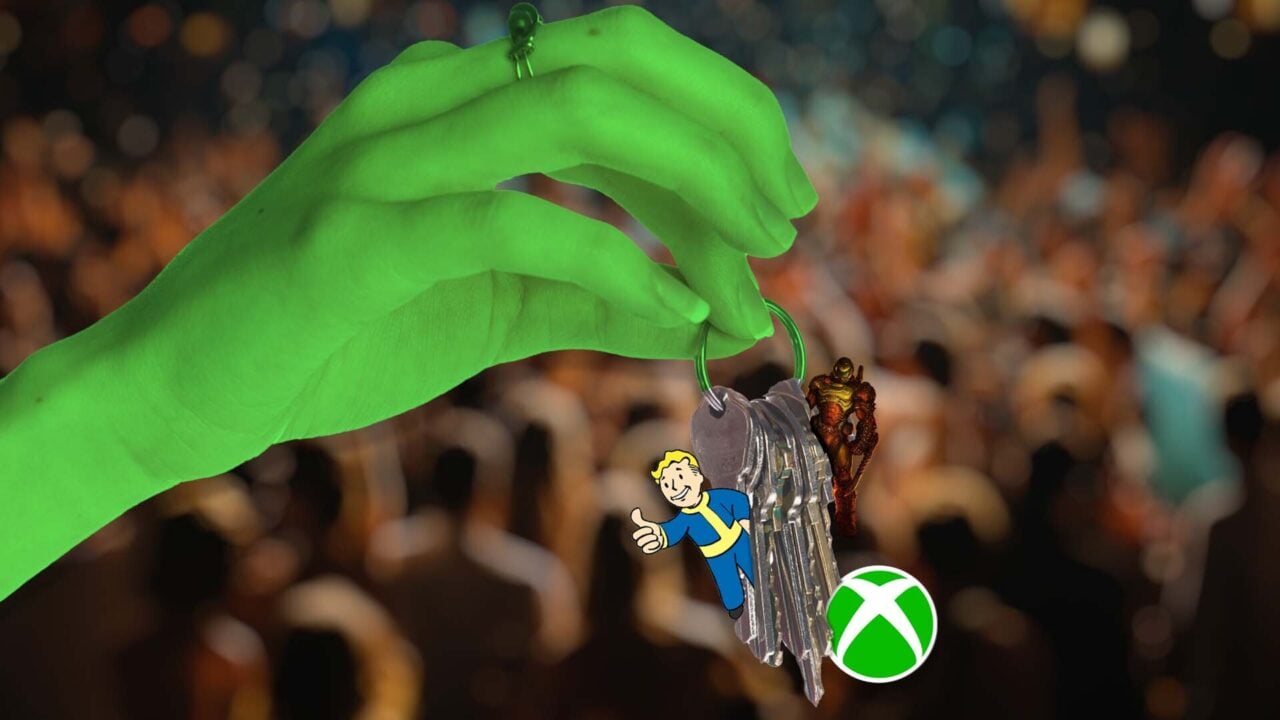
Xbox is facing backlash over "Distract Keys," a feature that rewards players for leaving games to watch advertisements. The system incentivizes players to pause their gameplay, exit to the dashboard, and consume ad content in exchange for in-game rewards and currency.
The mechanic appears designed to boost engagement metrics and ad revenue, but players find it deceptive and manipulative. Rather than integrating ads naturally into the game experience, Xbox is explicitly asking users to abandon active play to view marketing content. This crosses a line that the gaming community views as exploitative.
The feature undermines player trust in a market already saturated with monetization schemes. Players tolerate cosmetic passes, battle passes, and even aggressive gacha systems when they don't interrupt core gameplay. Distract Keys do exactly that. They interrupt play, reward disengagement, and prioritize corporate metrics over user experience.
This move reflects Xbox's broader strategy struggles. The company has been aggressive about revenue extraction as subscription adoption plateaus. Game Pass remains valuable but requires constant content investment. When growth slows, platforms resort to strategies like this. Instead of creating compelling reasons for players to stay, Xbox is now paying them to leave.
The backlash matters because it sets a precedent. If Distract Keys succeed financially, other publishers will copy them. Microsoft's influence in the space means industry-wide adoption could follow. The gaming audience is already fatigued by invasive monetization. This feature tests whether players will accept outright bribery to consume ads.
Microsoft will likely soften the approach following criticism, but the damage is done. The company revealed its hand. When subscription models and traditional monetization plateau, the industry sees ads as the next frontier. Distract Keys represent the explicit version of this strategy. It's a warning shot about where gaming economics are heading.