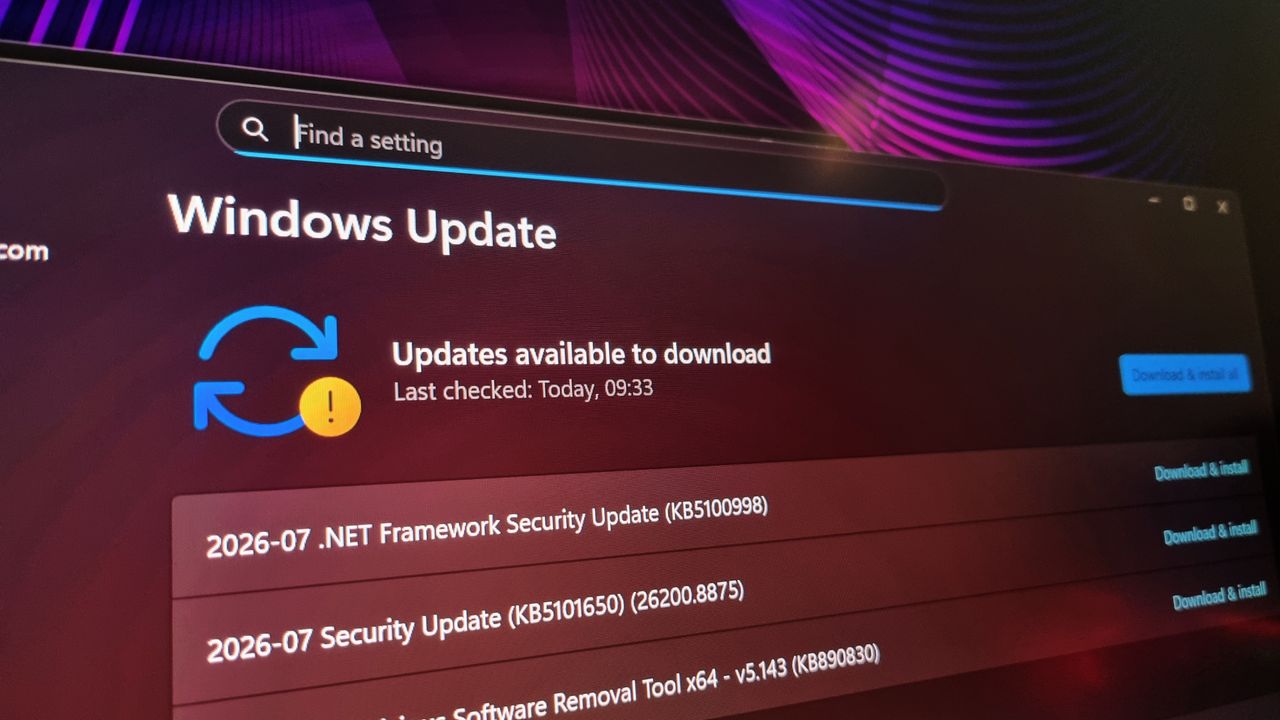
A Windows 11 update has disrupted monitor functionality for at least one user, stripping away high refresh rate capabilities. The affected monitor lost its 400 Hz performance the day after installing the latest patch.
PC Gamer reported the issue, which points to a broader concern among Windows users. High refresh rate monitors have become standard for competitive gaming and professional work, with 240 Hz, 360 Hz, and 400 Hz displays now common in the market. When system updates interfere with these capabilities, users lose access to the hardware they paid for.
The specific cause remains unclear from the available details, but driver conflicts are a likely culprit. Windows updates often revert custom driver installations or introduce compatibility issues with specialized hardware. Monitor refresh rate detection and GPU driver communication can both be affected by OS-level changes.
This echoes a pattern of stability problems following recent Windows 11 updates. Microsoft has pushed multiple patches with mixed results, sometimes introducing new bugs while fixing others. Users running bleeding-edge hardware like ultra-high refresh monitors face additional risk since driver support lags behind hardware releases.
The incident raises questions about Windows 11's update testing procedures. Mainstream users with standard 60 Hz or 144 Hz monitors may not encounter these problems, leaving niche hardware largely untested before rollout. Gamers and esports athletes who depend on 400 Hz monitors for competitive advantage now face uncertainty about whether their systems will function as expected after updates.
Without official comment from Microsoft, affected users are left troubleshooting independently. Rolling back drivers, disabling Windows Update temporarily, or performing clean driver installations become necessary workarounds. The lack of transparency around such issues erodes confidence in Windows 11's stability, especially among users with premium hardware investments.