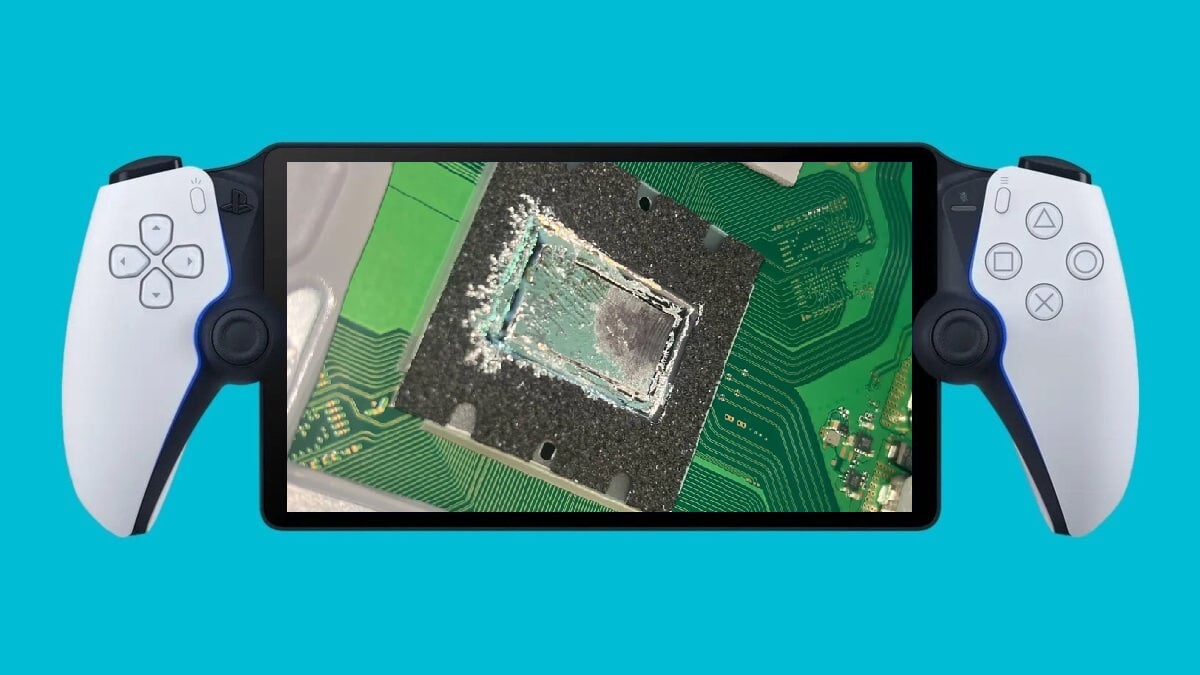
Sony's next PlayStation could address a persistent hardware flaw that plagued the PS5 from launch. A newly discovered patent hints that the PS6 will revise the liquid metal cooling system that caused widespread issues in early PS5 units.
The PS5's original design used liquid metal thermal paste to cool the APU, a solution meant to improve heat dissipation. However, numerous users reported the liquid metal degrading, leaking, or separating from the die over time. Some consoles experienced thermal throttling and performance drops within months of purchase. Sony eventually redesigned the PS5's cooling solution in later hardware revisions, moving away from liquid metal in favor of more stable thermal paste compounds.
The patent filing suggests Sony learned from this mistake. Details point toward a revised thermal management approach that would eliminate the reliability concerns that defined early PS5 ownership for thousands of gamers. This represents a critical engineering lesson. The PS5 launched during unprecedented demand, and hardware revisions took years to reach consumers. Early adopters often suffered through degraded performance, warranty claims, and frustration.
A more robust cooling solution at PS6 launch would signal that Sony prioritized durability over cutting-edge thermal innovation. The gap between ambitious cooling designs and real-world performance remains a flashpoint in console hardware. Nvidia and AMD face similar pressures to push thermal boundaries while maintaining long-term reliability.
This patent doesn't confirm PS6 specifications or confirm when the console launches. Sony typically keeps hardware details secret until official announcements. However, the filing demonstrates that engineering teams evaluate hardware failures from previous generations. Early PS5 owners who experienced liquid metal degradation will likely view a redesigned solution as overdue validation of their complaints.
If the PS6 incorporates this revision, it signals a maturation in Sony's approach to next-generation hardware engineering. First-party hardware failures shape player perception for an entire console cycle