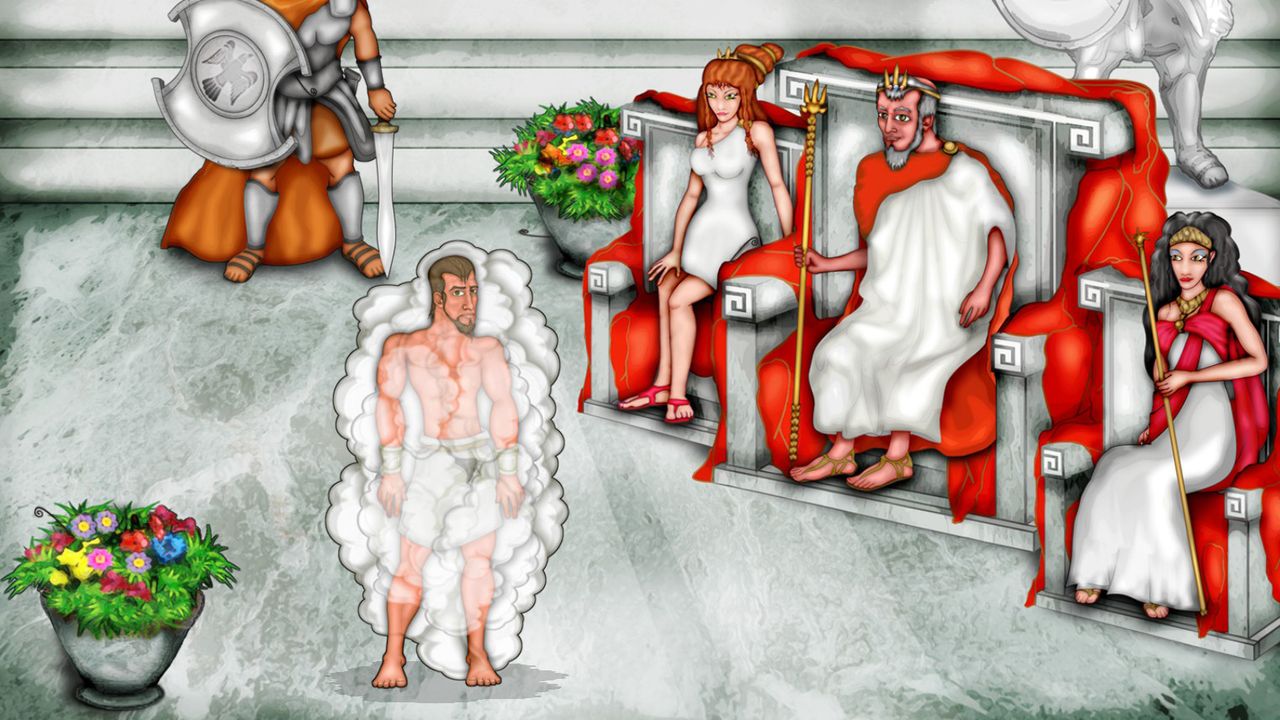
PC Gamer's critique cuts straight to the heart of adventure game design frustrations. A writer spent nearly three hours with The Odyssey adventure game from 2012, matching the runtime of Christopher Nolan's upcoming Matt Damon film, and the experience reveals why puzzle-heavy adventures can test player patience.
The Odyssey positions itself as a classic point-and-click adventure in the vein of LucasArts titles, but its puzzle design apparently favors obtuse logic over intuitive progression. The loom puzzle reference signals a specific problem: solutions that demand trial-and-error experimentation rather than clever deduction. Players encounter obstacles that lack clear visual or contextual clues, turning exploration into grinding busywork.
This comparison to Nolan's Odyssey film works as both humor and legitimate criticism. A nearly three-hour cinema experience demands tight pacing and narrative momentum. An adventure game with the same runtime spent largely on a single puzzle represents fundamentally broken design. Players expect progression, discovery, and the satisfaction of solving challenges through observation and logic. When stuck on one puzzle for an hour, neither happens.
The Odyssey arrived during the adventure game's resurgence around 2012, when titles like The Walking Dead and Telltale's revivals proved the genre still had commercial appeal. But traditional point-and-click adventures faced competition from narrative-driven experiences that simplified or eliminated puzzles entirely. The Odyssey's uncompromising approach positioned it as throwback material for series veterans, but apparently threw accessibility out the window.
The implicit warning here matters for players considering diving into retro-style adventures. Nostalgia for 1990s design doesn't automatically equal good design. Pixel hunts, moon logic, and obtuse puzzle chains drove players away from adventure games decades ago. Modern adventure games learned these lessons. The Odyssey serves as