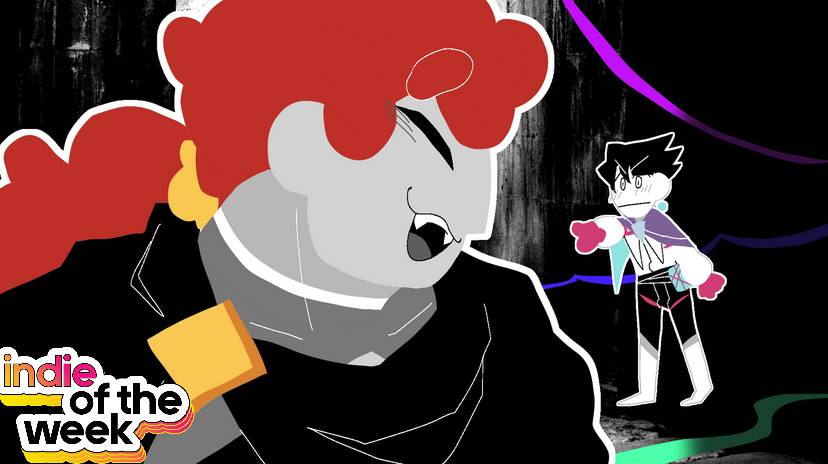
Truth Scrapper, an upcoming indie mystery game, centers on piecing together fragmented narratives through exploration and detective work. The title draws players into a deliberately messy, nonlinear experience where multiple story threads weave together through environmental clues and character interactions.
The game embraces a cheerful aesthetic while tackling substantive themes. Its queer representation appears woven naturally into character relationships and plot beats rather than treated as window dressing. This approach aligns with growing player demand for LGBTQ+ narratives that feel organic to the world rather than tokenistic.
Structurally, Truth Scrapper operates as a scrapbooking simulator meets narrative mystery. Players collect fragments, arrange them, and gradually uncover larger truths about the world and its inhabitants. This hands-on assembly mechanic transforms passive storytelling into active participation. The "messy" design philosophy means answers don't always arrive cleanly. Contradictions exist. Characters lie or misremember. Players must navigate ambiguity rather than receiving definitive solutions.
The game's tone balances levity with mystery. Rather than adopting the grim detective noir aesthetic typical of the genre, Truth Scrapper opts for warmth and humor. This tonal choice creates breathing room in what could otherwise feel oppressive as a narrative puzzle box.
The indie development team crafted a experience that respects player agency. Multiple paths exist to uncover the same truths. Character interactions shift based on player choices and knowledge. This design rewards curiosity and exploration without punishing alternative approaches.
Truth Scrapper targets players hungry for narrative-driven experiences that trust them to assemble meaning. The combination of queer representation, tactile gameplay, and deliberately open-ended storytelling positions it as a standout indie title worth tracking. Release details remain limited, but early impressions suggest a game unafraid to embrace mess and contradiction as features rather