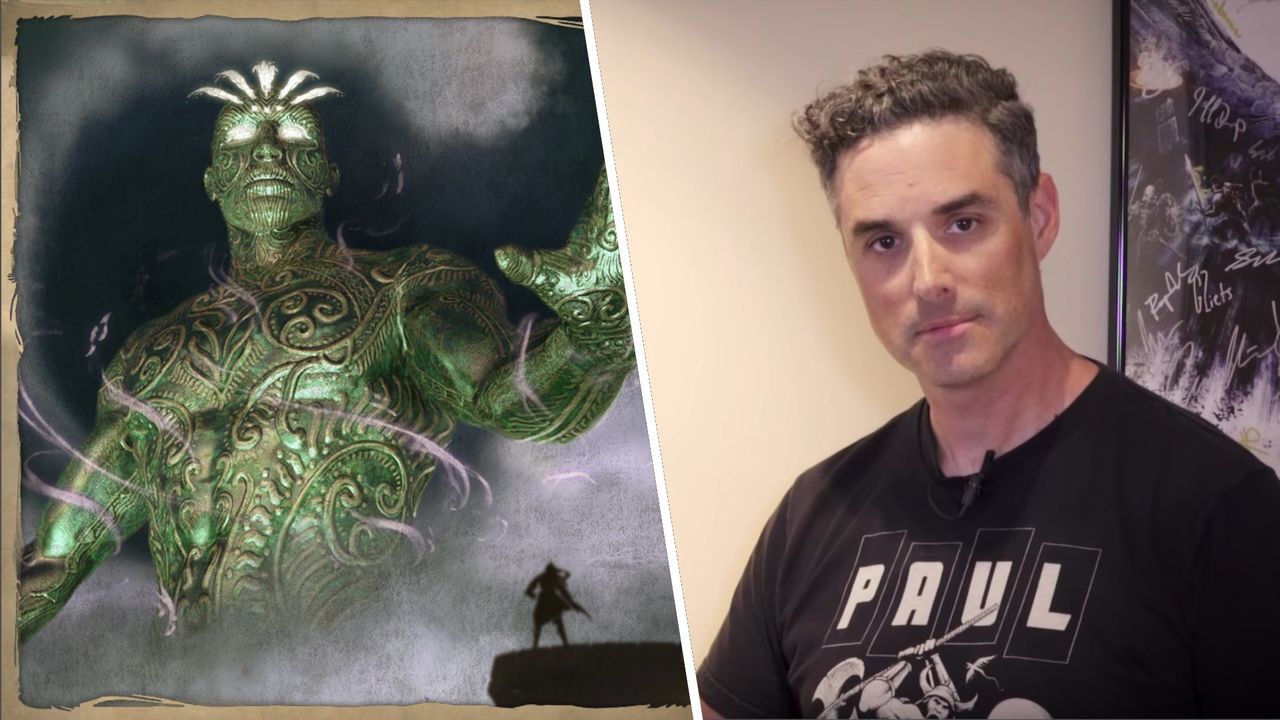
Josh Sawyer, director of Obsidian Entertainment's Pillars of Eternity series, argues that RPG players have developed a psychological expectation of unlimited freedom. They believe they're "built different" from other gamers, capable of circumventing any obstacle a game places before them. When Pillars of Eternity enforces hard restrictions on player actions, some players resist.
The tension reflects a broader design philosophy clash. Traditional RPGs conditioned players to expect malleable systems where creativity and character builds could overcome intended limitations. Games rewarded breaking rules. Sawyer's Pillars of Eternity takes a different approach, establishing firm boundaries on what characters can accomplish based on their stats, skills, and class design.
This design choice generates player friction. Players accustomed to games like Baldur's 3 or The Elder Scrolls series expect workarounds. They expect to attempt anything, success determined by dice rolls or character optimization rather than hard gates. Pillars of Eternity's structured restrictions feel punitive to players conditioned by decades of open-ended RPG design.
Sawyer acknowledges the contradiction with self-deprecating humor, claiming he's "built much, much worse." The comment reflects his perspective that developers shouldn't shield players from failure through permissive systems. Some boundaries serve design integrity.
The debate touches on fundamental RPG design philosophy. One school values player agency above all else, offering tools and systems players can exploit creatively. The other prioritizes mechanical consistency, ensuring character limitations matter mechanically and narratively. Neither approach is objectively correct, but player expectations shape their reception.
Pillars of Eternity's design philosophy influenced subsequent CRPGs. Baldur's 3 balances both approaches, offering freedom while maintaining class integrity. Larian's success suggests players accept restrictions when systems feel fair and when failure states