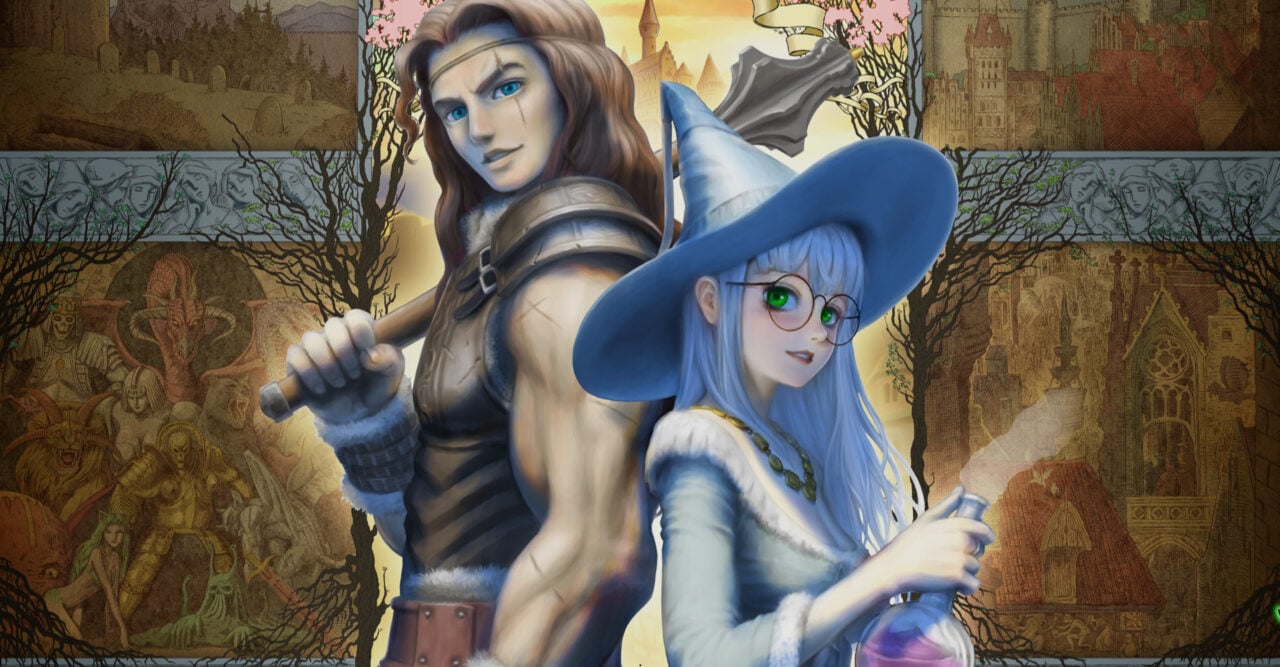
Yoshio Nishimura, the artist behind Vanillaware's lush hand-drawn aesthetic, spent six years living in the mountains to create what amounts to a love letter to classic 16-bit RPGs. The project, titled Veritás, represents an obsessive dedication to old-school game design that feels increasingly rare in modern development.
Nishimura's isolation wasn't accidental. The remote setting allowed him to focus entirely on pixel art and sprite work without the distractions of urban life. This extended retreat mirrors the commitment Vanillaware has always shown toward hand-drawn animation in an industry dominated by 3D models and procedural generation. The studio's reputation for stunning 2D visuals, seen in titles like Odin Sphere and Dragon's Crown, depends on exactly this kind of meticulous, time-intensive craft.
Veritás embraces the design language of 16-bit classics. The game pulls from the golden age of Dragon Quest, Final Fantasy, and Chrono Trigger, blending retro inspirations with contemporary game design sensibilities. Rather than chase modern trends, Nishimura doubled down on what made those games visually arresting. Every sprite, every background layer, every particle effect received the same obsessive treatment that defined Vanillaware's previous releases.
The six-year development cycle speaks volumes about indie game realities. Small teams pushing hand-drawn art can't compete with AAA production schedules. They survive by choosing radical focus instead. Nishimura's mountain years became a statement about artistic integrity in an era when most studios outsource art to the lowest bidder.
Vanillaware's continued existence proves a market exists for this approach. Players crave tactile, human-made visuals. They recognize the difference between asset-flipped 3D and carefully crafted sprite work