Saber Interactive has established itself as a powerhouse in licensed game development, and Warhammer 40,000: Space Marine 2 exemplifies why the studio excels in this space. The developer defies the outdated model of cheap licensed cash-grabs that flooded consoles two decades ago, instead treating intellectual property adaptations with genuine craft and ambition.
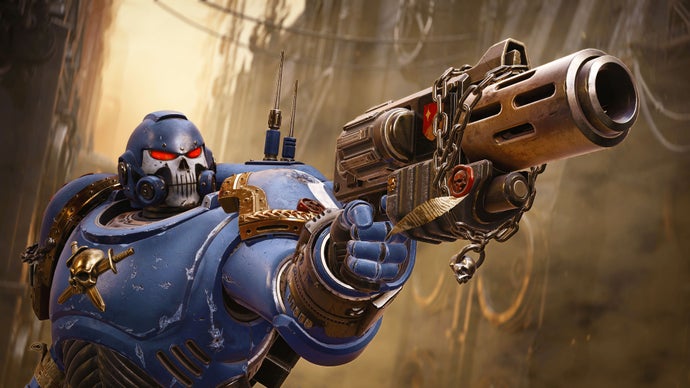
Space Marine 2 launched to strong critical and commercial reception, validating Saber's approach to Warhammer 40K IP. The studio combines technical competence with deep respect for source material, delivering a shooter that satisfies both longtime 40K fans and players unfamiliar with Games Workshop's grimdark universe. The game features substantial post-launch support including new weapons like the Inferno Pistol and creature additions such as the Trygon, keeping the playerbase engaged months after release.
What sets Saber apart from competitors is their willingness to invest time and resources into licensed properties rather than treating them as one-off transactions. Space Marine 2's success demonstrates players hunger for quality licensed experiences when developers commit to the work. The studio has proven it can balance commercial pressures with creative integrity, a rare skill in an industry where licensed games often suffer from rushed development or creative compromise.
The shift in how licensed games are produced reflects broader industry maturation. Publishers now understand that licensing fees represent investment, not just cost. Saber's track record suggests they've cracked a sustainable model: respect the IP, deliver solid gameplay, and maintain post-launch momentum.
Space Marine 2's success positions Saber as the go-to studio for premium licensed adaptations. Games Workshop appears satisfied with the partnership, and the game's ongoing updates signal confidence in its longevity. For the industry, Saber's success proves licensed games can compete with original IPs when executed with genuine passion rather than corner