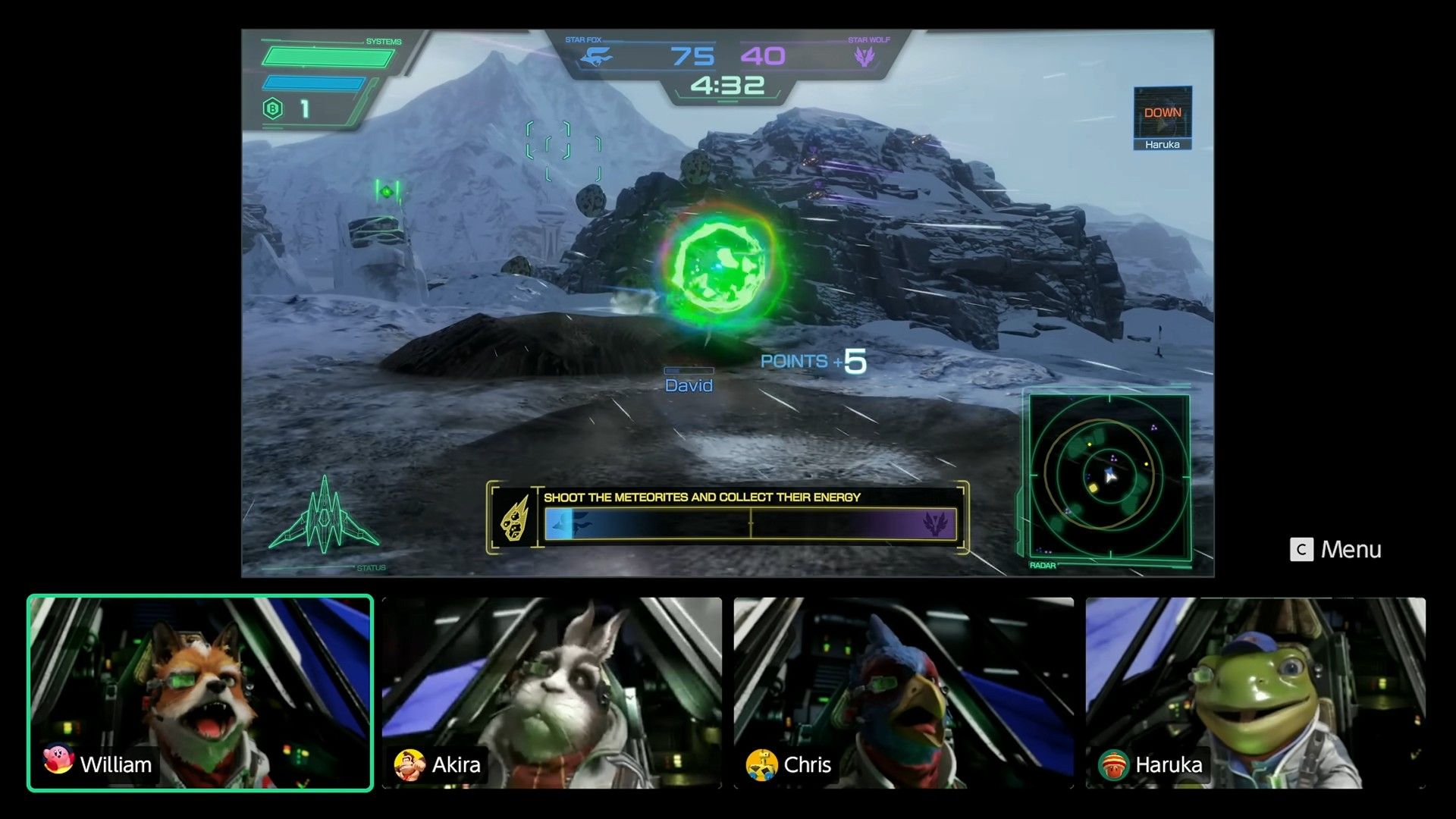
Nintendo's official Switch 2 Camera has hit its lowest price ever at $10 through a GameSpot deal. The accessory enables one of Star Fox's most entertaining features, allowing players to use the camera for in-game photo modes and interactive gameplay elements.
The Switch 2 Camera is Nintendo's optional peripheral designed to unlock specific functionality across compatible titles. Star Fox leverages the camera to create novel gameplay mechanics and photo capture opportunities that justify the accessory's existence beyond basic utility. At $10, the device becomes an impulse purchase for players interested in maximizing their Star Fox experience.
This price drop signals Nintendo's strategy to drive Switch 2 accessory adoption as the console's library expands. Optional hardware like cameras, controllers, and sensor devices historically struggle with attach rates when priced above $15 to $20. Nintendo routinely discounts first-party peripherals to lower friction for curious players who might otherwise skip them entirely.
The camera accessory market on Nintendo platforms has always occupied a niche space. The original Switch's camera integration remained minimal compared to competitors' motion and vision systems. Switch 2 doubles down on optional camera features, betting that specific games like Star Fox can justify the peripheral's inclusion in player libraries.
GameSpot's deal undercuts Nintendo's standard MSRP substantially, suggesting either excess inventory or promotional pricing to build software sales momentum. Star Fox's reception hinges partly on how effectively the camera implementation drives engagement. If players find the feature gimmicky rather than essential, the low price becomes a clearance tactic rather than a demand driver.
For collectors and completionists, $10 removes the barrier to owning Switch 2's full accessory ecosystem. For casual players, the price justifies experimentation with camera-based gameplay without significant financial commitment. Nintendo benefits from higher accessory penetration rates, which inflate engagement metrics and justify future camera-dependent game