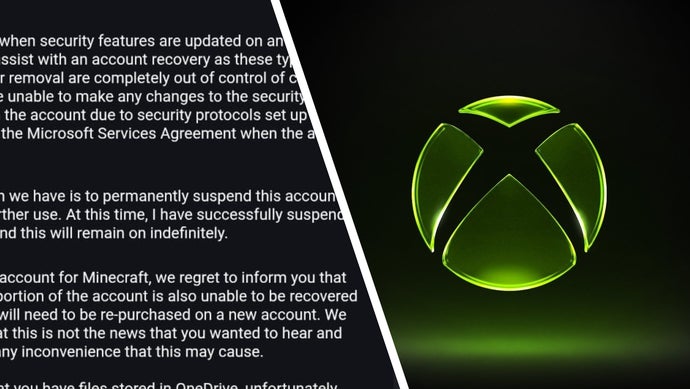
A Brazilian gamer successfully sued Microsoft and won back access to their hacked Xbox account and entire digital library after the company suspended the account and allegedly told them to repurchase all their games. The court ruled in the player's favor, forcing Xbox to restore the suspended account.
The case highlights a persistent problem in digital gaming. When accounts get compromised, publishers often suspend them indefinitely as a security measure. Consumers left in the lurch face a brutal choice: lose access to their entire library or spend hundreds rebuffing the same titles they already own. Microsoft offered no path to recovery beyond starting fresh.
Brazilian courts took a different view. The judgment sided with the consumer and established that suspending an account without allowing account recovery or access restoration violates consumer rights. The gamer's legal victory sets precedent in one of Latin America's largest markets and exposes Microsoft's inflexible account security policies.
This ruling carries weight beyond one player's experience. Digital storefronts have grown into the primary distribution channel for games. Xbox Game Pass alone has millions of subscribers relying entirely on digital access. Yet platforms still treat account suspension as a permanent solution with no middle ground for legitimate owners caught in security breaches.
The case also underscores how digital ownership differs fundamentally from physical copies. A hacked disc still plays after recovery. A hacked digital library vanishes. Publishers control access entirely. Courts in Brazil now recognize this imbalance and demand better protections.
For Xbox specifically, this ruling forces a reckoning. Microsoft must either implement account recovery systems that don't penalize victims or face legal liability in major markets. Other publishers watch closely. PlayStation and Steam face similar vulnerabilities and similar legal exposure if they maintain equally rigid policies.
The Brazilian victory won't immediately change how American or European platforms handle hacked accounts. But it plants a flag. Players own digital games. Suspensions can't erase that ownership