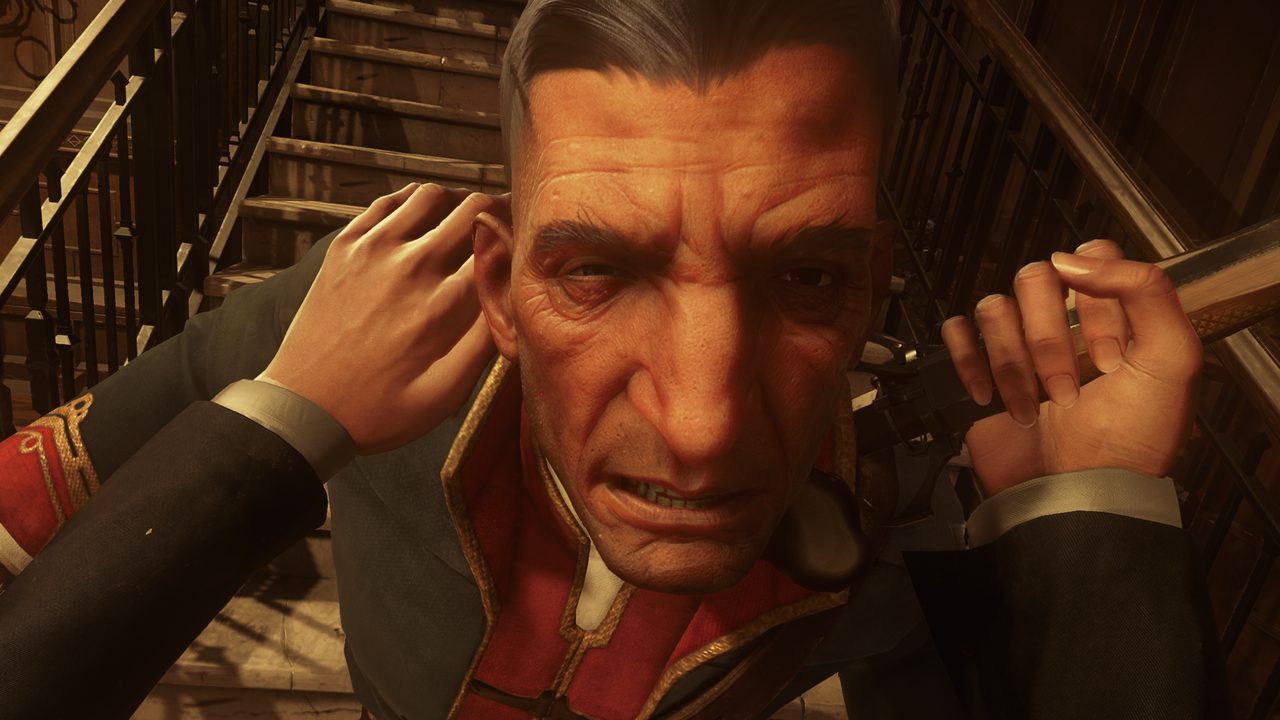
Arkane Studios' Dishonored 2 remains a masterclass in player agency, and nowhere is that more evident than the infamous Jindosh Lock. This puzzle stands as one of gaming's most divisive obstacles, forcing players to abandon their preferred playstyle and engage with pure logic instead of violence or stealth.
The Jindosh Lock appears during a critical mission where players must access a secure safe. Rather than allowing the typical Dishonored approach of sneaking past guards or eliminating them silently, the game locks you into a puzzle room. You cannot fight your way through. You cannot blink past it. The lock presents a grid-based logic puzzle with constraints about which nobles own which properties, favoring which drink, and owning which pet. Solve it incorrectly and nothing happens. Solve it correctly and the safe opens.
This shift from action to pure deduction frustrated many players upon release in 2016. Dishonored 2 had established itself through combat and supernatural abilities, with stealth as an alternative. The Jindosh Lock demolished that framework entirely. Players who invested dozens of hours perfecting their sword technique or mastering Corvo's time-manipulation powers suddenly found those skills irrelevant. The puzzle requires methodical logic, pen and paper, and patience.
Yet this moment defines Dishonored 2's design philosophy. Arkane refuses to guarantee player comfort. The game respects your intelligence enough to demand it. Unlike modern titles that hold your hand through optional challenges, Dishonored 2 trusts you to figure it out or accept failure.
The lock has aged well. Returning to it reveals an elegant puzzle that rewards systematic thinking. The constraints interconnect logically. There's satisfaction in placing the final piece and hearing the safe click open, not from combat prowess but from actual problem-solving.
This willingness to challenge