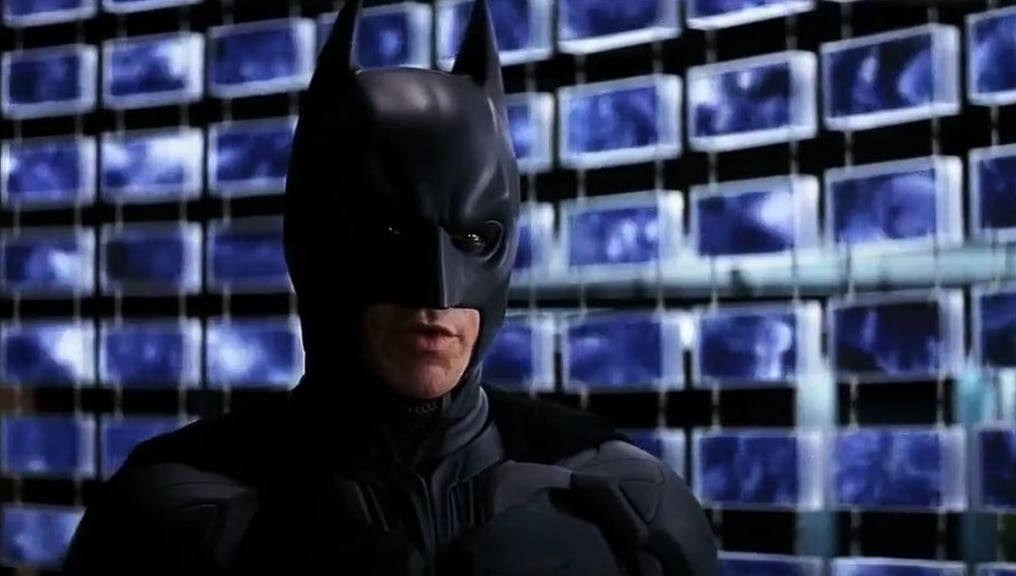
Christopher Nolan has become the latest high-profile creative voice to criticize AI's rapid integration into filmmaking. The Oppenheimer and The Dark Knight director argues that artificial intelligence is arriving at precisely the wrong moment for the film industry, according to statements reported by Kotaku.
Nolan's position reflects broader industry resistance to AI adoption. Studios and streaming platforms have been experimenting with machine learning tools for everything from script analysis to visual effects work to marketing. Meanwhile, visual effects artists, writers, and actors have raised serious concerns about job displacement and creative control.
The timing element Nolan emphasizes matters. Hollywood faces existing challenges: streaming fragmentation has cannibalized theatrical revenue, post-pandemic attendance patterns shifted, and production costs continue climbing. Introducing AI into this unstable environment creates additional pressure on below-the-line workers already struggling with gig-based employment and uncertain futures.
Nolan's criticism carries weight. His films consistently perform at the box office and earn critical respect. He represents the elite tier of filmmakers who possess significant leverage in negotiations with studios and talent. When directors of his stature voice concerns, studios listen.
The gaming industry watches these debates closely. Game development already relies heavily on AI tools for procedural generation, NPC behavior, and asset creation. If Hollywood's guilds and unions successfully negotiate restrictions on AI usage in film, those precedents could influence gaming labor negotiations. The Writers Guild of America and Screen Actors Guild both extracted AI-related concessions in their 2023 contracts, establishing frameworks other industries now reference.
Nolan's stance suggests the creative establishment views AI not as inevitable progress but as a threat requiring negotiation. His platform and credibility amplify what might otherwise be dismissed as Luddite positioning. The director isn't arguing for complete AI rejection but rather for deliberate, negotiated implementation rather than corporate adoption by fiat.