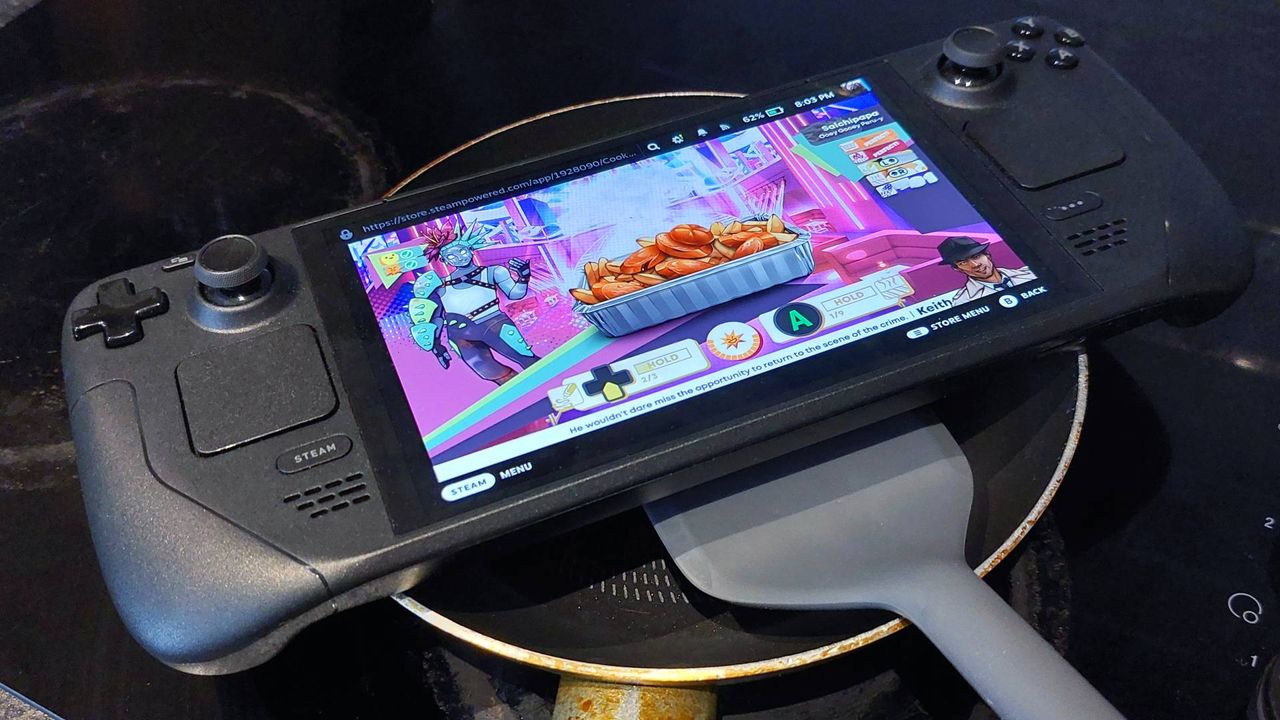
The handheld gaming PC market faces a brutal reckoning as competition intensifies and consumer interest fractures across too many devices. The Steam Deck defined the category in 2021, but the arrival of the ROG Ally from ASUS, the Legion Go from Lenovo, and the MSI Claw has fractured the market into competing ecosystems with different processors, price points, and software support.
The core problem runs deeper than device choice. These handhelds demand Windows or Linux expertise from players accustomed to console simplicity. The ROG Ally's limited battery life and thermal performance issues dampened enthusiasm early. The Legion Go's unique screen design puzzled players more than it impressed them. The MSI Claw arrived with Intel's Meteor Lake chip but failed to deliver meaningful performance gains over existing options. Each device requires separate optimization from developers who already struggle with the fragmented PC landscape.
Steam Deck adoption has plateaued despite strong initial sales. Valve stopped reporting sales figures in 2023, a telling sign. The device's aging hardware now struggles with demanding 2024 releases, limiting its appeal to budget-conscious players willing to accept 30fps gaming. Meanwhile, traditional gaming tablets and smartphones handle indie titles and casual games with better screens, longer battery life, and deeper software ecosystems.
The broader handheld market itself contracted. Nintendo Switch sales declined sharply. Demand for dedicated portables dropped as mobile gaming improved. Consoles like PlayStation 5 and Xbox Series X dominate player spending. The window for handheld gaming PCs to establish dominance has closed.
What remains is a niche within a niche. Handheld gaming PCs appeal only to PC enthusiasts willing to troubleshoot driver issues and accept compromised performance. The mainstream audience never materialized. Publishers won't optimize for hardware that controls maybe 5 percent