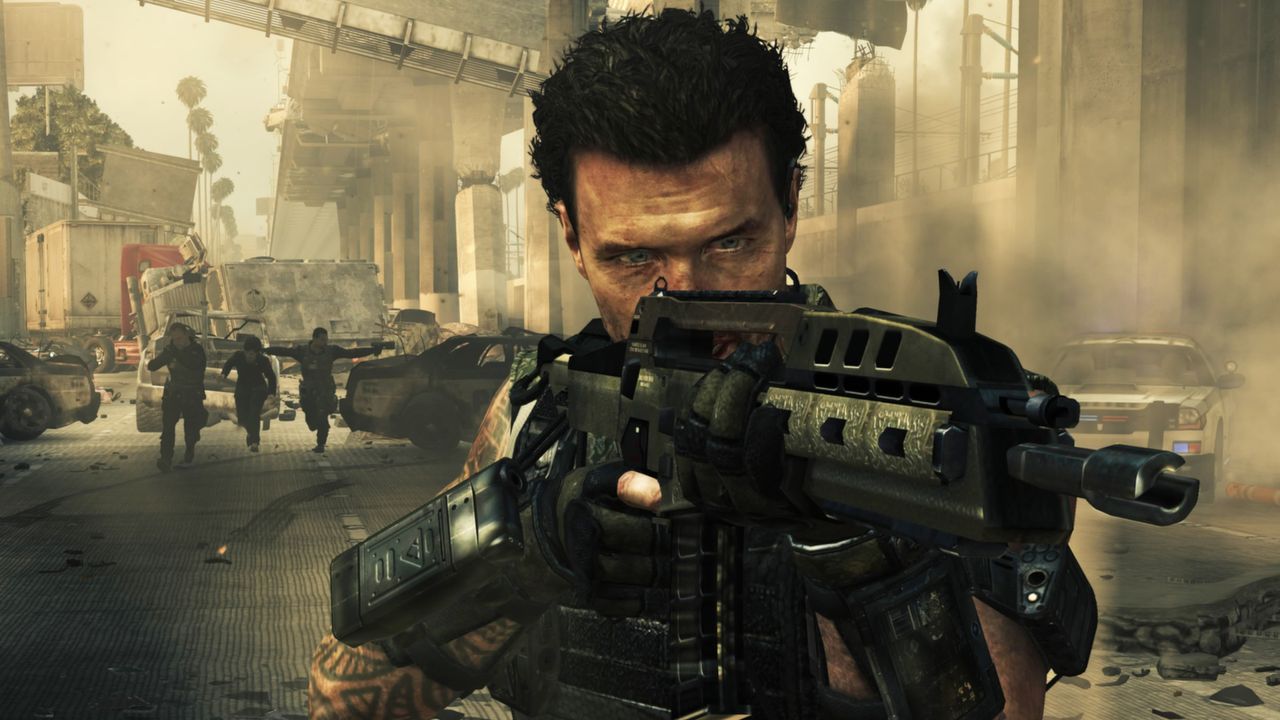
Activision's new Call of Duty Black Ops 2 ports for PlayStation have reignited debate around the game's emblem editor tool. The feature, which allows players to design custom emblems using basic shapes and layers, made the jump to the latest versions intact. While some players celebrated the preservation of this creative tool, the decision immediately exposed a familiar problem: users deploying the system to craft offensive imagery, including Nazi symbols.
The emblem editor became notorious during Black Ops 2's original 2012 run on PlayStation 3 and Xbox 360. Players weaponized the tool to create swastikas and other hate symbols, forcing Activision into a constant moderation struggle. Banning individual emblems proved ineffective since new accounts could simply recreate them. The issue persisted through years of community complaints and developer responses.
By including the emblem editor in the new PlayStation ports without apparent additional safeguards, Activision has replicated the same problem from over a decade ago. Players quickly documented the issue on social media, with some expressing frustration that the studio failed to implement stronger filters or removal mechanics before launch.
The emblem editor represents a genuine creative feature that many legitimate players valued. Custom designs became part of the game's identity and allowed artistic expression. However, that same openness enabled coordinated campaigns to flood the platform with offensive content. Previous Call of Duty titles reduced the emblem editor's customization depth or removed it entirely as a compromise solution.
Activision has not publicly commented on the emblem editor's preservation in these ports or outlined plans for enhanced moderation. The company faces a familiar dilemma: maintaining player creative freedom while preventing coordinated abuse. For a 12-year-old game receiving a new lease on life through ports, failing to learn from prior mistakes suggests the studio prioritized feature parity over community protection.