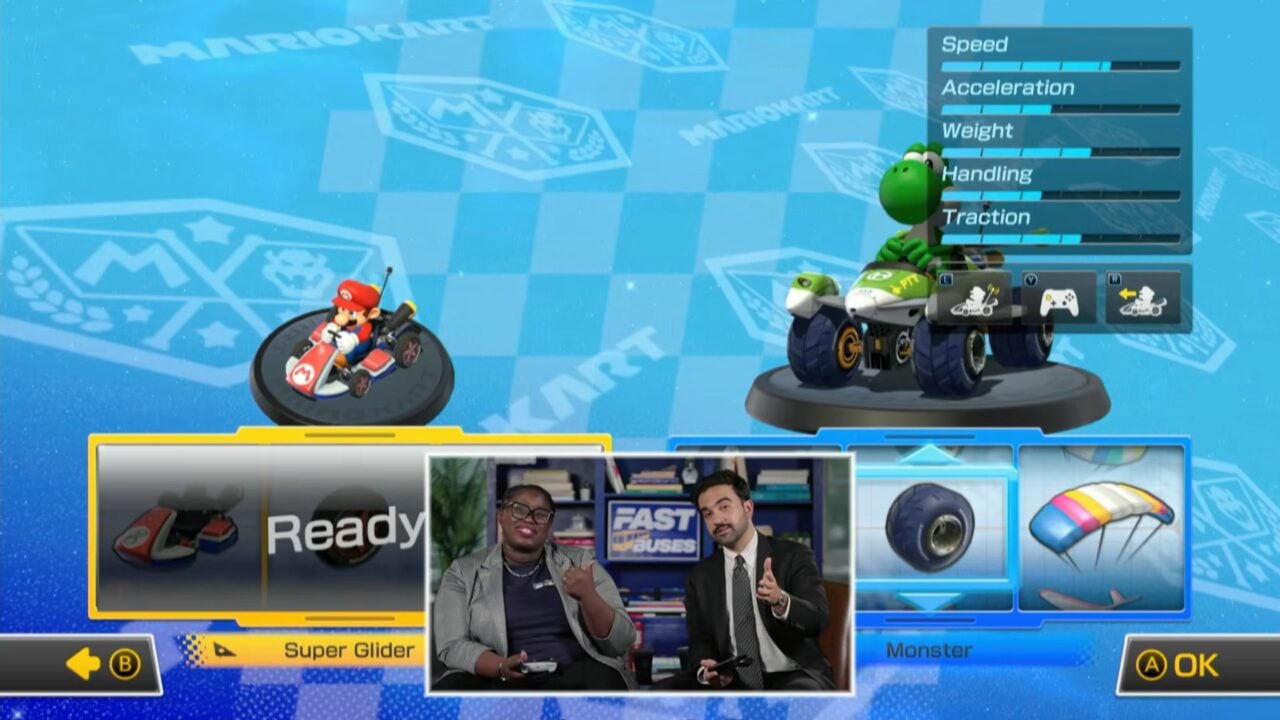
New York City mayoral candidate Zohran Mamdani streamed Mario Kart on Twitch as part of a campaign push to reach younger voters. The State Senator's gameplay was rough. He finished last in multiple races, struggled with basic controls, and seemed unfamiliar with the racing fundamentals that make Mario Kart accessible to casual players.
The stream occurred during his 2025 mayoral campaign, a move designed to tap into gaming culture and connect with Gen Z and millennial voters who spend time on Twitch. Politicians attempting to appear relatable through gaming has become standard practice in recent election cycles. Most attempts land awkwardly.
Mamdani's performance offered no exception. Viewers noted his inability to maintain consistent racing lines, poor item usage, and general lack of Mario Kart competency. He finished in last place in track after track, providing unintentional comedy that dominated social media discussion. The stream generated attention, though not the kind his campaign intended.
The incident highlights a broader pattern. Politicians who lack genuine gaming knowledge often use it as a superficial outreach tactic. Mario Kart remains one of gaming's most accessible titles, designed so that even non-gamers can participate. Yet Mamdani's performance suggested he rarely, if ever, touches the franchise.
Voters watching the stream encountered a candidate clearly uncomfortable with the medium he was using. The authenticity gap widened with each last-place finish. His poor showing overshadowed whatever policy messaging the campaign hoped to deliver alongside the gameplay.
The Twitch appearance generated buzz, but primarily as a meme rather than effective voter outreach. Gaming communities notice when politicians perform poorly and call it out. Mamdani's run at the mayoral race continues regardless, though his Mario Kart legacy remains permanently cemented as one of gaming's most awkward political moments. The lesson