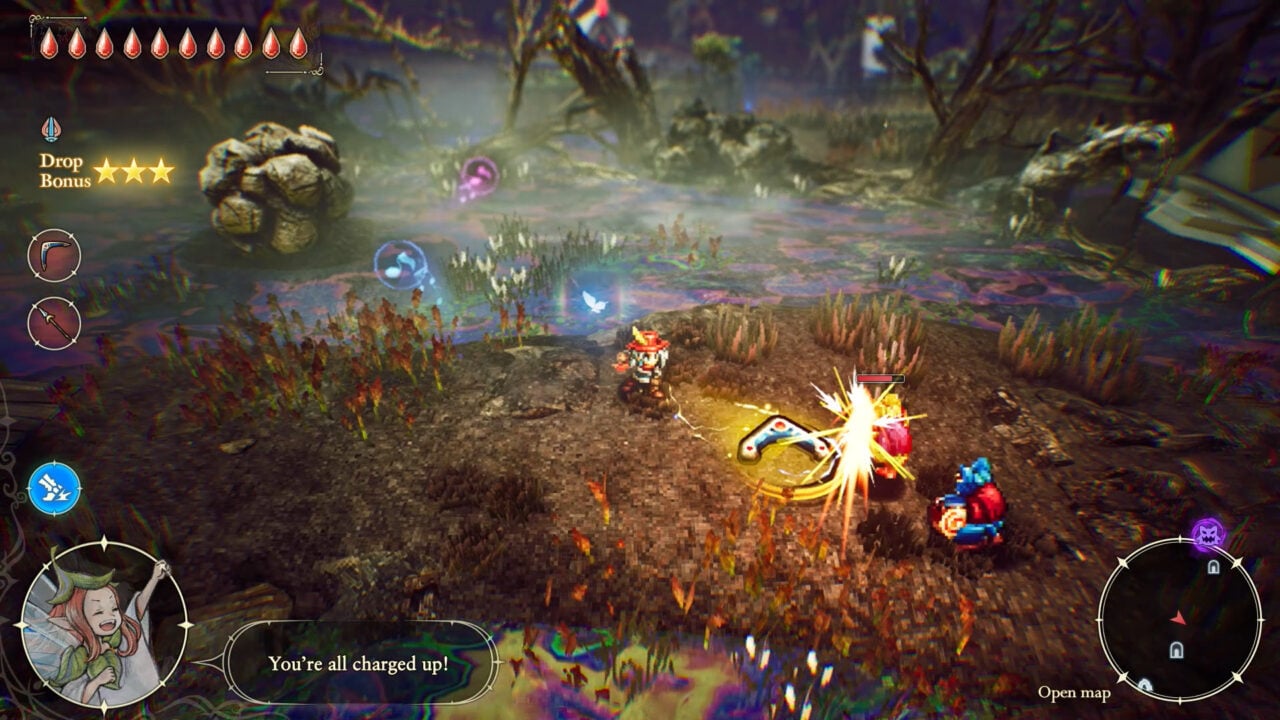
Square Enix caved to player frustration and added a toggle to disable the fairy companion in Final Fantasy XIV's Adventures of Ellion content. The fairy, a staple helper character in the roguelike dungeon experience, became a lightning rod for complaints among players who found it intrusive and annoying during gameplay.
The feature arrived in a recent patch after months of community pushback. Players griped that the fairy's constant interjections, visual effects, and dialogue broke immersion and cluttered the screen during combat encounters. Some veteran players felt the companion undermined the challenge and pacing of runs, especially for those seeking a streamlined, focused experience.
This represents a significant shift in Square Enix's approach to player customization. The studio has historically locked certain UI and gameplay elements behind unavoidable systems, forcing players to engage with design choices whether they liked them or not. The fairy toggle signals the team's willingness to listen when a feature consistently rankles a vocal portion of the community.
Final Fantasy XIV's endgame content relies heavily on player retention and engagement. Adventures of Ellion drives activity through its roguelike structure and exclusive rewards. Poor player sentiment around a core feature directly impacts participation rates. By allowing customization, Square Enix removed friction without gutting the content itself.
The decision also reflects broader industry trends. Modern live-service games increasingly offer toggles for accessibility, quality-of-life features, and personal preference. From colorblind modes to chat filters to companion toggles, studios recognize that one-size-fits-all design alienates players. Final Fantasy XIV already excels at customization on many fronts. The fairy toggle simply extends that philosophy further.
Community response skewed positive. Players praised Square Enix for acknowledging the complaint and implementing a clean solution. The toggle doesn't remove the fairy entirely but gives players agency over their experience. That balance matters