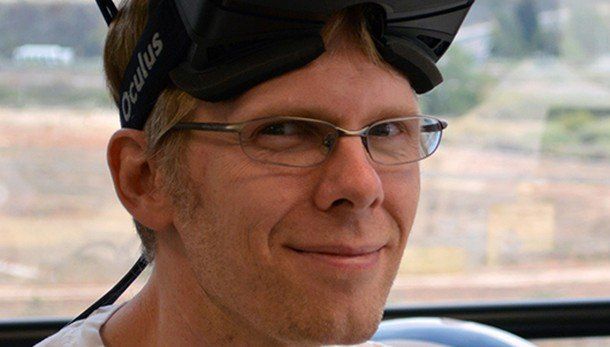
John Carmack, the legendary programmer behind Doom and Quake, expressed regret over his earlier optimism about Microsoft's stewardship of id Software following the studio's recent massive layoffs. Carmack's comment on social media acknowledged that his previous statement supporting Microsoft's ownership of the studio "isn't aging well" in light of the cuts.
The layoffs at id Software represent a significant blow to one of gaming's most historically important developers. id Software, owned by Bethesda parent company Microsoft, has been a cornerstone of the industry since the early 1990s, establishing the first-person shooter genre and pushing technical boundaries across multiple generations of hardware.
Carmack's measured critique reflects the broader frustration within the industry over Microsoft's recent workforce reductions across multiple studios under its Bethesda umbrella. Despite Microsoft's public statements about commitment to gaming and creator tools, the layoffs suggest executive decisions that prioritize short-term financial goals over studio stability and creative continuity.
The programming icon tempered his criticism with characteristic nuance, noting that "you can't rule out the possibility that executives are idiots, but that shouldn't be your default belief." This measured tone suggests Carmack views the situation as poor decision-making rather than malicious intent, though the impact on developers remains equally severe regardless of motivation.
Carmack's willingness to publicly reconsider his position carries weight in gaming circles. His reputation as a technical innovator and thoughtful observer carries authority when he comments on industry trends. His shift from optimism to skepticism signals that even those who gave Microsoft the benefit of the doubt are reassessing their faith in the company's gaming division leadership.
The timing compounds the damage. Microsoft positioned itself as a savior of gaming studios when acquiring Bethesda, promising stability and resources. These layoffs undermine that narrative entirely, leaving questions about the company's actual long