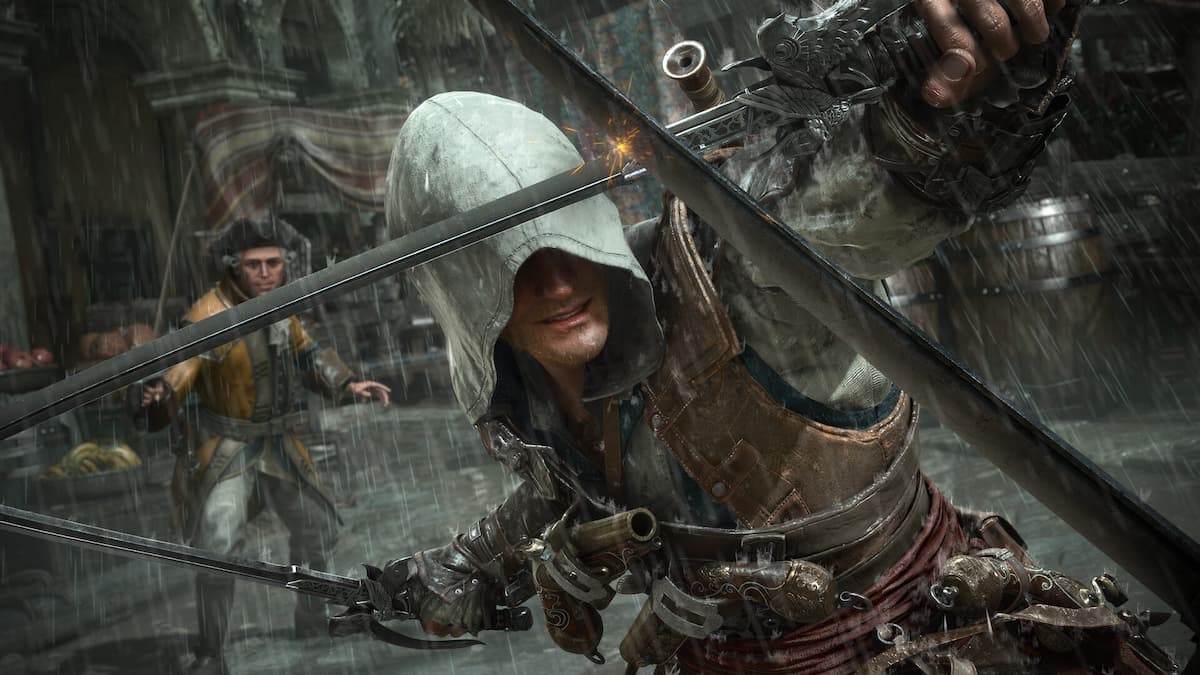
Assassin's Creed Black Flag Resynced has landed as both a critical and commercial winner, but Ubisoft's day one DLC pricing strategy has triggered player backlash despite the remake's strong reception.
The remaster of the 2013 pirate adventure released to positive reviews and solid sales numbers. Players praised the updated graphics, refined mechanics, and the return to the beloved naval gameplay that made the original Black Flag a franchise high point. The remake taps into nostalgia while modernizing the experience for current-generation consoles.
However, Ubisoft's monetization approach immediately drew criticism. The publisher bundled premium cosmetics and gameplay enhancements behind a paywall at launch, with pricing tiers that players felt excessive for day one content. This move contradicts the goodwill the remake had generated during its pre-release period, creating a disconnect between critical success and player sentiment.
The situation exemplifies a pattern plaguing major publishers. Strong game design and execution mean little when aggressive monetization undercuts the launch experience. Players resent feeling nickeled and dimed on day one, especially when competing remakes and remasters typically offer more generous content strategies at launch.
Ubisoft's track record with live service monetization has already strained player trust. Adding premium day one DLC to a remake of a game that launched over a decade ago feels particularly tone deaf. The community interpreted the pricing as exploitative rather than optional enhancement.
Black Flag Resynced faces a turning point. The underlying game appears solid enough to sustain player engagement long-term, but the DLC controversy risks dampening word-of-mouth momentum. Whether Ubisoft adjusts the pricing strategy or doubles down will signal how seriously the publisher takes player feedback on monetization.
For now, Black Flag Resynced proves remakes can succeed commercially and critically. It also confirms that