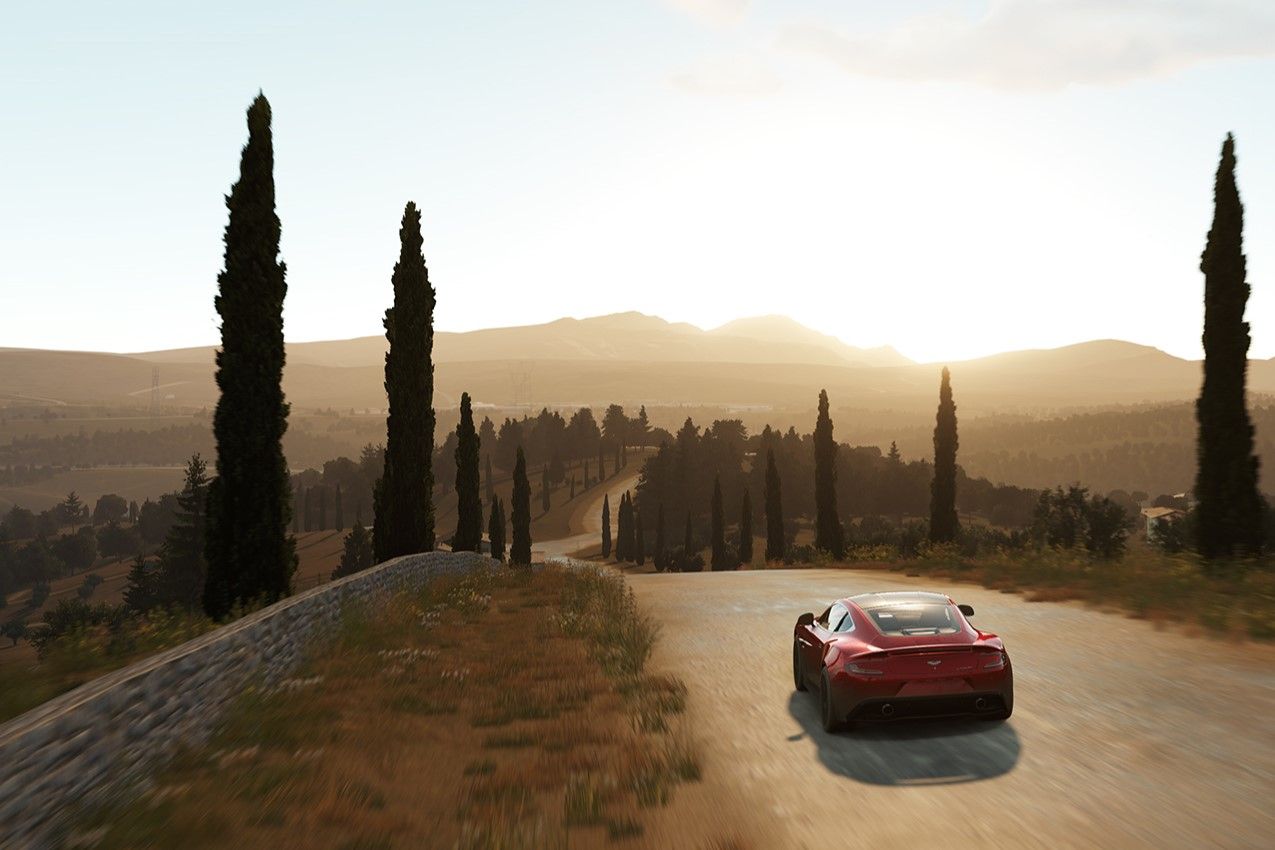
Forza Horizon games excel at turning open-world driving into tourism. The series captures real landscapes with enough fidelity that players treat these worlds as digital vacation destinations rather than just racing arenas.
Forza Horizon 6 launches with Japan as its primary setting, offering routes through rural prefectures, coastal highways, and mountain passes that mirror actual Japanese geography. Players can cruise through Kyoto's temple districts and drive along the Shonan coast without leaving their console. The game joins five previous entries that each featured distinct regions.
Previous Forza Horizon titles established the franchise's approach to scenic tourism. Forza Horizon 5 centered Mexico, with routes spanning from coastal Pacific drives to high-altitude mountain roads in the Sierra Madre. Forza Horizon 4 used Britain and Scotland, capitalizing on the region's varied terrain from Lake District mountain passes to Scottish Highlands. Forza Horizon 3 set players loose in Australia with desert expanses and tropical coastal drives. Forza Horizon 2 featured Mexico and Southern Europe, while the original Forza Horizon took place in Colorado.
The appeal extends beyond racing mechanics. Many players ignore competitive events entirely, instead using the games' robust photography modes to capture vistas and share screenshots. This playstyle reflects a broader industry trend toward "chill" games that prioritize exploration over competition. Forza Horizon games accommodate both speedrunners and leisurely drivers equally.
Polygon's roundup identifies specific standout routes across these games. The selection emphasizes how developer Playground Games researches and recreates locations with enough accuracy that players recognize real-world counterparts. A coastal drive in FH6 might mirror an actual Japanese route rather than pure fiction.
This design philosophy separates Forza Horizon from competitors like Gran Turismo, which prioritizes track racing. Forza