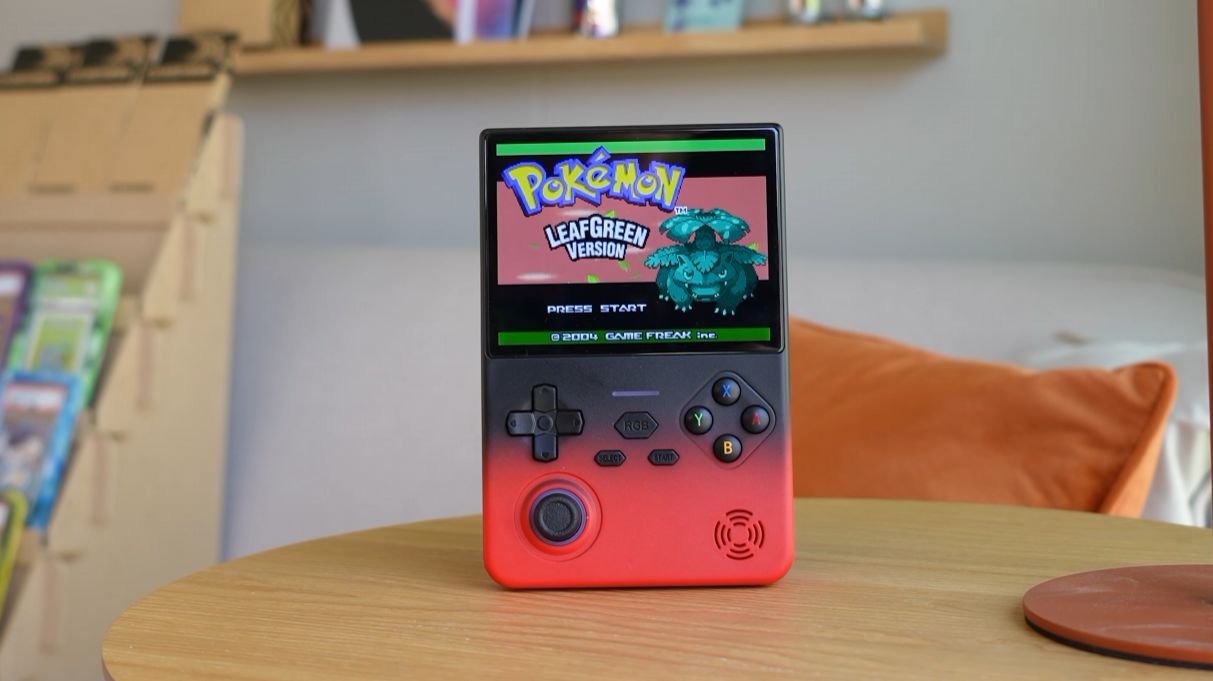
Lenovo has pulled the G02 from sale, ending its controversial Game Boy-style handheld that shipped with unlicensed emulation software and pirated Nintendo and Sega games pre-installed. The device, which resembled classic Nintendo hardware, arrived loaded with dozens of retro titles without proper licensing agreements, drawing immediate legal and ethical concerns from major publishers.
The G02 represented a particularly brazen entry into the retro gaming hardware market. Unlike legitimate competitors such as the Nintendo Switch Online service or officially licensed devices like the Analogue Pocket, Lenovo's approach relied entirely on illegal copies of copyrighted games. The handheld featured a Game Boy aesthetic but lacked any legitimate distribution channels for its game library.
Nintendo and Sega have historically pursued aggressive enforcement against unauthorized emulation devices and ROM distribution platforms. The G02 violated both intellectual property rights and copyright law by bundling commercial titles without licensing. This made the device an easy target for legal action from either publisher.
Lenovo's decision to discontinue the G02 likely reflects mounting pressure from rights holders and potential litigation. The company avoided costly court battles by simply removing the product from its retail ecosystem. This approach mirrors how other hardware manufacturers have exited similar gray markets when facing intellectual property challenges.
The G02's failure underscores a fundamental market reality. Consumers want retro games on portable hardware, but there are now legitimate pathways to access them. Nintendo's Switch Online subscription service provides NES and SNES titles legally. The Analogue Pocket runs authentic cartridges. Even emulation through homebrew communities operates in clearer legal territory than selling pre-loaded pirated content at retail.
Lenovo's withdrawal from this space removes one of the more blatant piracy vectors in consumer hardware. The company avoids the costly precedent of defending unlicensed game distribution in court while